When someone adopts a dog, brings home a horse, or finally says yes to the cat they’ve been thinking about for months, one of the first things people say is, “You’re so lucky to have found each other.” And yes, luck may have played a role in crossing paths. But strong relationships with animals are not built on luck. They are built on principles, and animal communication is one of the most powerful tools available to support that process.
If you want a calm, connected, and cooperative relationship with your pet, it takes more than hoping you picked the “right” one. It requires intention, understanding, and daily presence.
You’re Meeting Your Animal in the Middle of Their Story
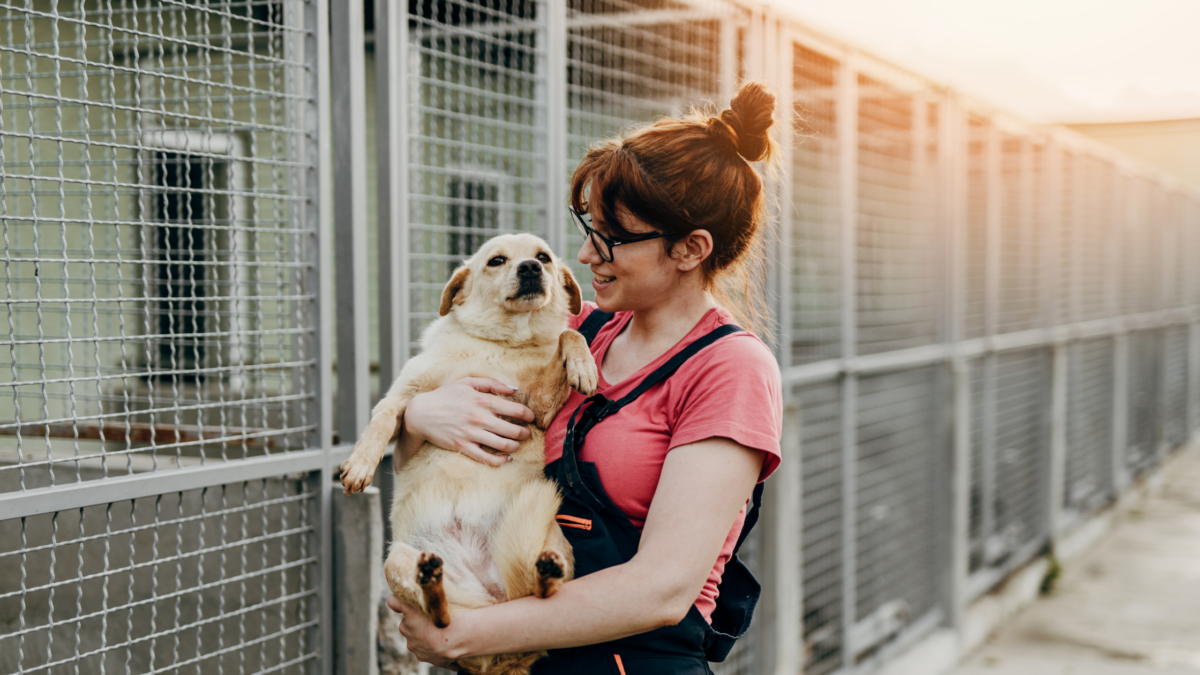
Whether you adopt from a shelter, purchase from a breeder, rescue a horse, or foster temporarily, you are not starting with a blank slate. You are stepping into the middle of your animal’s story. You likely don’t know their early experiences, past positive or negative associations, natural temperament, stress triggers, or how they’ve learned to interpret human behavior. Are they introverted or extroverted? High-energy or sensitive? Confident or cautious?
Many relationship challenges begin because we assume personality and history don’t matter. But just like in human relationships, they matter deeply. Animals arrive with nervous systems shaped by experience. Animal communication helps bridge that gap. It supports you in understanding how your pet is experiencing their world, and how they are experiencing you. That awareness changes how you respond.
Solid Relationships Are Built on Principles, Not Luck
We instinctively understand that human relationships require effort. Marriage takes attention and compromise. Parenting requires learning a child’s rhythms, personality, and emotional needs. Friendships grow through consistency and mutual respect.
Yet when it comes to animals, we often expect harmony to happen automatically. A dog does not feel safe by luck. A horse does not trust you by accident. Even a cat’s affection is not random.
Trust is built through:
- Consistent routines
- Clear communication
- Emotional regulation
- Respect for individual temperament
- Daily presence
Animal communication supports this process by helping you move from reaction to intention. Instead of assuming or guessing, you begin observing patterns, adjusting your responses, and strengthening clarity.
Animal Communication During Rescue or Foster Transitions
Transitions are where people rely on “luck” the most. You adopt a rescue dog and hope they adjust easily. You foster a horse and assume things will settle with time. You introduce two pets and pray they get along. But transitions often bring stress, confusion, and insecurity for animals, especially when they do not fully understand what is happening.
Animal communication can support these transitions by:
- Reducing anxiety through clearer interaction
- Identifying misunderstandings between animals
- Clarifying behavioral shifts before they escalate
- Strengthening bonding during change
Instead of guessing, you begin responding with awareness.
Dogs: Reading You Isn’t Automatic
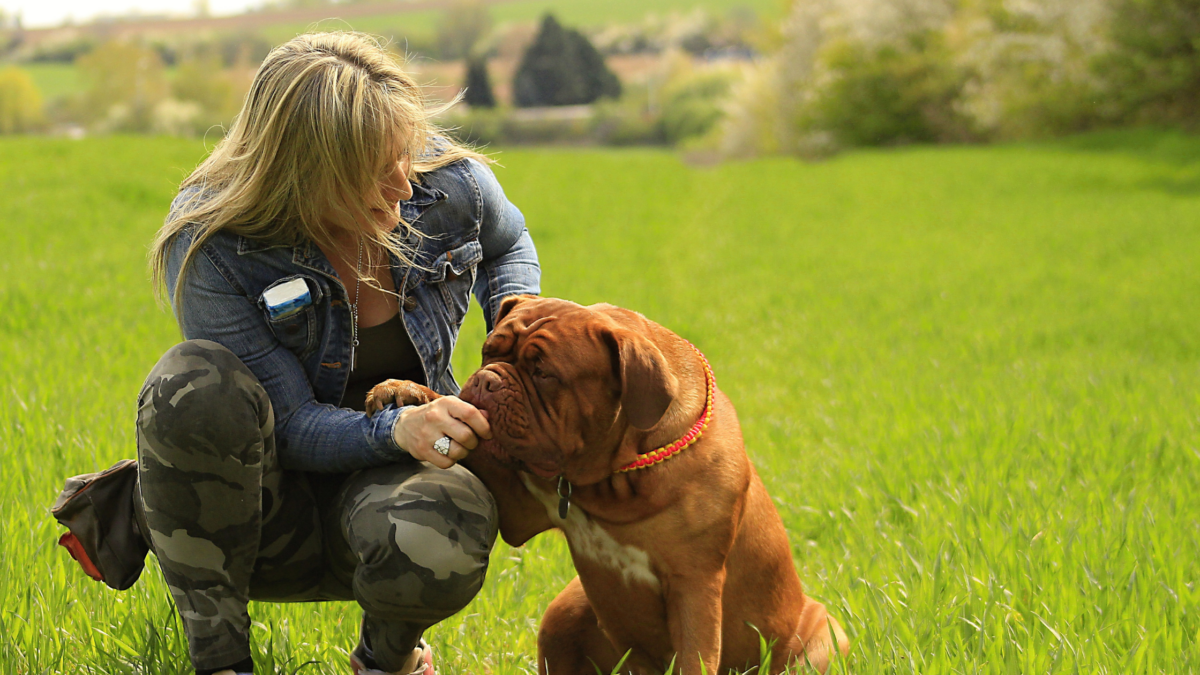
Dogs are highly perceptive. They read body language, tone, breathing patterns, and emotional states with impressive accuracy. However, they learn what those cues mean through repetition and trial and error. If your signals are inconsistent, rushed, or emotionally charged, your dog may misinterpret them. What looks like disobedience is often confusion.
When communication becomes intentional, you can:
- Align your verbal and nonverbal signals
- Create clearer expectations
- Establish a predictable structure
- Strengthen mutual understanding
Safety grows from clarity.
Horses: Trust Within the Herd
Horses operate through herd dynamics. They feel secure because they trust the members of their herd and know they are safer together. When you work with a horse, you are asking to be accepted as a steady and reliable herd member. That acceptance is earned.
Horses evaluate your emotional steadiness, timing, consistency, and confidence. If your energy is unpredictable, they respond accordingly. When your presence is grounded and clear, their nervous system settles. Animal communication deepens your awareness of how your horse perceives you, allowing you to adjust your approach in ways that build trust more effectively.
Cats: Independent, but Not Accidental
It is easy to joke that strong relationships with cats require luck. Cats are independent, and their personalities may feel less flexible than other animals.
However, even with cats, relationship principles still apply. Healthy bonds develop through:
- Respecting autonomy
- Avoiding forced interaction
- Offering choice
- Maintaining predictable routines
When cats feel respected, they relax. When they feel pressured, they withdraw. Their affection is not random; it is responsive to how safe and understood they feel.
The Real Question: Are You Investing?
Instead of asking whether you were lucky to find your pet, consider a different question. Are you learning who they actually are? Are you communicating clearly? Are you building trust deliberately? Are you responding with awareness rather than assumption?
Veterinarians, trainers, behavior professionals, and animal communicators all play a role in supporting strong human-animal relationships. Meaningful connection is not accidental. You and your animal may feel fortunate to have found one another. But the depth of your bond will always come from something more powerful than luck: intentional relationship building grounded in presence, trust, and clear communication.