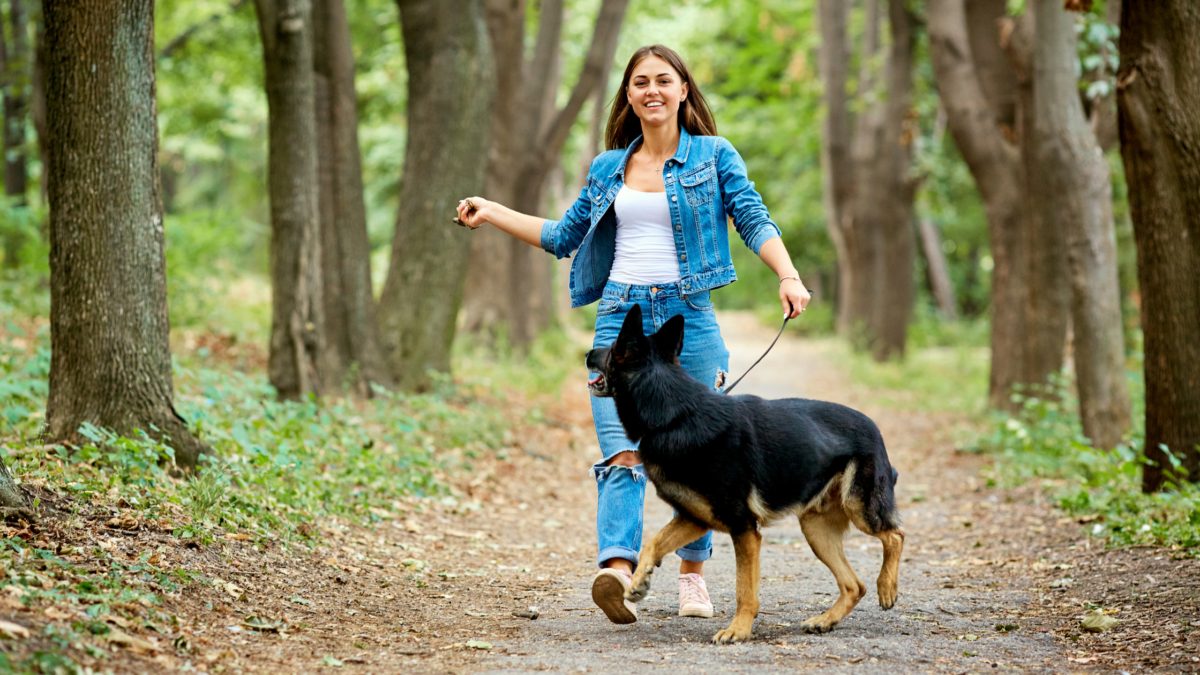

Taking your animal out in public should feel like an extension of your relationship, not something you hope will go well. Whether you are walking your dog, trail riding your horse, or introducing your cat to new environments, there is one reality that applies across the board: you can control your animal. Still, you cannot control everything around you.
As an animal communicator, I often work with clients after something has already happened. A reaction that seemed out of character, a situation that escalated quickly, or an incident that the owner could have prevented. When we slow things down and look at what led up to those moments, there are almost always signs that were missed or preparation that did not fully happen. Preparation is not about expecting something bad to occur. It is about understanding your animal well enough and being aware enough of your environment, so that you can prevent what is preventable and respond appropriately when something is not.
How to Prepare Your Animal Before You Leave
Preparation starts before you ever step outside. One of the most important steps is assessing your animal’s state that day, not their general personality, but how they are showing up in that moment. An animal that is typically calm can still be overstimulated, distracted, or tense depending on what has already happened. If your animal is already dysregulated before you leave, adding more stimulation will increase the likelihood of reactivity.
Before heading out, create a moment of connection. This can be as simple as slowing yourself down, asking for eye contact, or allowing your animal to settle. What you are doing is establishing yourself as something stable before introducing the unpredictable. Animals move through the world very differently when they feel anchored to their person.
It is also important to choose your environment intentionally. Not every animal is ready for every situation, and forcing exposure too quickly is one of the fastest ways to create fear or reactivity. A reactive dog does not benefit from crowded walking paths. A horse that is easily startled will not build confidence in a high-traffic environment. A cat adjusting to new experiences needs controlled exposure, not full freedom all at once. Preparation means setting your animal up to succeed, not testing their limits.
Understanding Your Animal’s True Temperament
One of the biggest gaps in preparation is a misunderstanding of temperament. Many owners prepare based on who they believe their animal is, rather than who their animal consistently shows themselves to be. A dog may be friendly in familiar settings but reactive in unpredictable ones. A horse may appear calm until they reach a threshold of stimulation. A cat may seem curious but become overwhelmed outside of their home environment.
Preparation requires honesty. Does your animal recover quickly from stress, or do they carry it with them? Do they seek interaction, or simply tolerate it? These details matter because they determine how your animal will respond when something unexpected happens.
Regulation Before Exposure
There is a common belief that more exposure will help an animal “get used to” challenging situations. In reality, exposure without regulation often reinforces the very behavior you are trying to change. Animals do not learn well when they are overwhelmed. When they are anxious or overstimulated, they rely on instinct rather than thoughtful response.
Building regulation means working in environments that allow your animal to stay connected and responsive. It means recognizing early signs of stress and making adjustments before they escalate. Over time, this creates a foundation that allows your animal to handle more complex environments without becoming reactive.
Situational Awareness Is Part of Preparation
Even if your animal is well-trained, your responsibility does not stop there. Situational awareness is a critical part of keeping both of you safe. Many incidents occur because early warning signs were missed.
Pay attention to what is ahead of you, not just what is next to you. Watch other animals for signs of tension such as stiffness, staring, or lunging. If something feels off, create distance immediately. Waiting to see what happens is often where situations escalate. Your role is to make decisions before your animal feels the need to react.
Preparing for What You Cannot Control
No matter how prepared your animal is, there will always be variables you cannot control. Other animals may not be trained. Other owners may not be paying attention. Preparation means acknowledging this and having a plan.
Think through how you would respond if another animal approached, how you would quickly create space, and what options you have if needed. When you have already considered these scenarios, you can respond more clearly and effectively in the moment.
A Simple Check Before You Go
Before leaving, pause and ask yourself a few questions. Is my animal regulated right now? Am I choosing the right environment for them? Do I have their attention? Do I know what I would do if something unexpected happened? If any of those answers are no, that is where your preparation needs to start.
Creating Safer Experiences
Every experience your animal has shapes how they perceive the world. When you approach outings with preparation, awareness, and honesty, you create opportunities for confidence and trust to grow. When those elements are missing, even simple situations can become overwhelming.
Preparation is not about control. It is about alignment. When you understand your animal and take responsibility for how you move through the world together, you create safer, more connected experiences for both of you.