
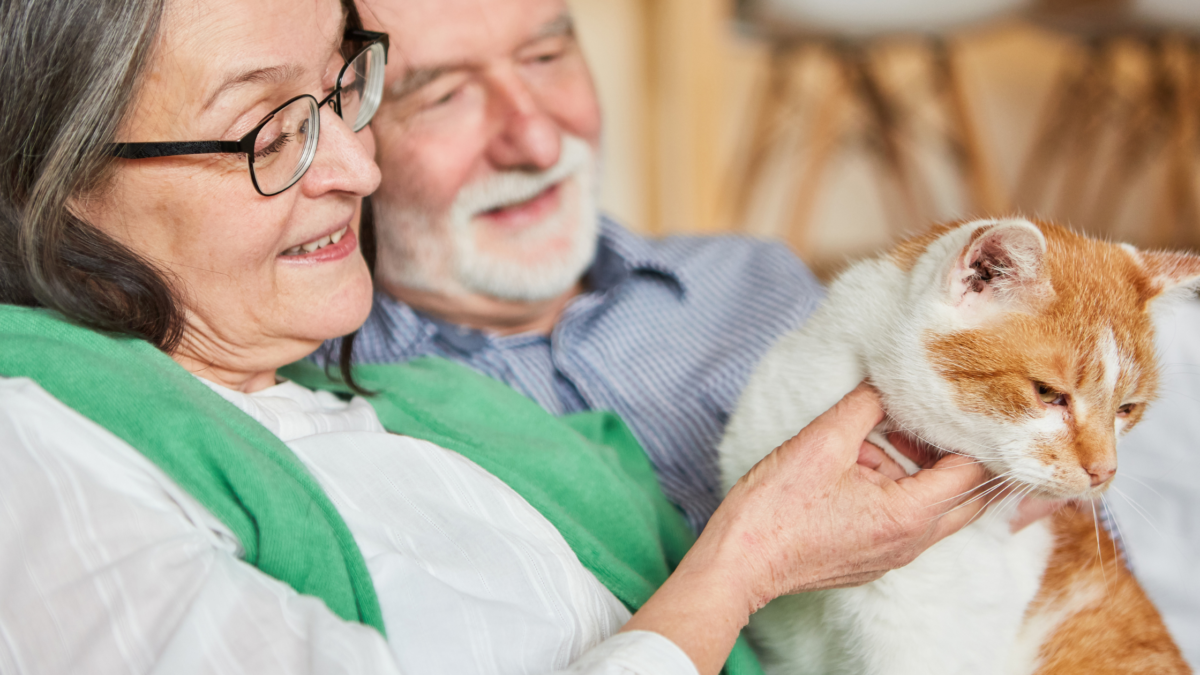
How Animal Communication Can Bring Comfort, Understanding, and Connection During Their Later Years
Our animal companions spend a lifetime sharing their love with us. They become part of our everyday lives, our routines, our celebrations, and our most treasured memories. Over the years, we learn their personalities, recognize their habits, and develop a beautiful understanding of one another.
But as our animals grow older, their needs may begin to change.
Activities they once enjoyed may become more challenging. Familiar routines may require adjustments, and behaviors we have known for years may take on new meaning.
We do our best to recognize these changes and provide the comfort and care they deserve. Yet sometimes, despite how well we know our beloved companions, we find ourselves wondering:
What do they really need from us right now? Is there something they wish we understood?
These questions come from a place of love. And they are among the reasons animal communication can be especially meaningful during an animal’s senior years.
Sometimes the Smallest Things Make the Biggest Difference
Recently, an animal communication session offered a wonderful example of how a seemingly small adjustment could make a meaningful difference in a senior animal’s daily routine.
The animal’s person was concerned about mobility. As our companions age, navigating familiar spaces can become more challenging, and activities that were once effortless may require additional care.
During the session, an interesting and very practical concern emerged.
The senior animal indicated that he needed a longer leash when navigating the stairs and doorway with his person.
He needed enough room to position himself properly on the stairs while his person managed both the door and the leash.
Imagine how something as simple as the length of a leash could affect an animal’s ability to navigate a familiar part of their day.
What appeared to be a mobility challenge also involved the practical arrangement of the space and how the two moved through it together.
Immediately after the session, the dog modified its behavior. Instead of barreling down the front steps while the owner tried to shut the door, the dog turned to the side and waited patiently at the top of the steps until the person was ready to walk down together.
Sometimes, what an animal wishes to share isn’t complicated or profound. Sometimes, it’s simply about making an everyday experience a little easier.
Any changes involving stairs or mobility should, of course, be considered with safety and appropriate veterinary guidance in mind.
Understanding the World Through Their Eyes
Our animals experience the world differently than we do.
What seems like a small inconvenience to us may be an important part of their daily comfort. A familiar routine may no longer feel the same as their physical abilities change.
As loving caregivers, we naturally observe behavior, make adjustments, and seek veterinary advice when something doesn’t seem right.
Animal communication offers another way to explore our companions’ perspectives.
Through a session, we may gain insights into preferences, routines, or experiences we hadn’t previously considered.
Perhaps an animal would prefer a different resting place, a slower pace during daily activities, or more time enjoying a favorite experience.
These insights aren’t a replacement for veterinary care. Rather, they can encourage us to ask different questions, observe more closely, and consider additional ways to support our animals.
The goal isn’t to assume we know everything our companions are experiencing. It’s to remain open to learning more about them.
The Emotional Gift of Being Heard
Our senior animal companions have given us so much throughout their lives. They have offered companionship, affection, trust, and countless moments of joy.
As they grow older, we may feel an even greater desire to express our appreciation.
An animal communication session can offer an opportunity to share that gratitude and reflect on the relationship from both perspectives.
Imagine expressing how much your animal’s presence has meant to you. Acknowledging the lessons they have taught you, the memories you treasure, and the love you continue to feel.
For many people, these exchanges can be deeply meaningful, bringing a sense of connection, reassurance, or greater understanding during a time when emotions may be especially tender.
The later years of an animal’s life don’t have to be defined solely by worry about what lies ahead.
They can also be a time of celebrating everything that continues to make the relationship extraordinary.
Honoring Their Journey with Love and Understanding
As our animal companions enter their later years, we naturally want to give them the very best.
We want them to feel comfortable, safe, appreciated, and loved. We want to recognize when their needs change and respond with compassion.
Sometimes that means seeking veterinary support. Sometimes it means adjusting familiar routines. And sometimes, animal communication may offer an additional perspective worth exploring.
The senior animal who shared his need for a longer leash reminds us that meaningful care often begins with paying attention to the smallest details.
We may not always have every answer, but we can remain curious, compassionate, and willing to listen.
After a lifetime of our animals being there for us, their senior years offer a beautiful opportunity to be there for them in new ways.
Perhaps one of the greatest gifts we can give our senior animal companions is the opportunity to feel heard, understood, and honored for exactly who they are.
Because their story is still unfolding, and every chapter deserves our love.