
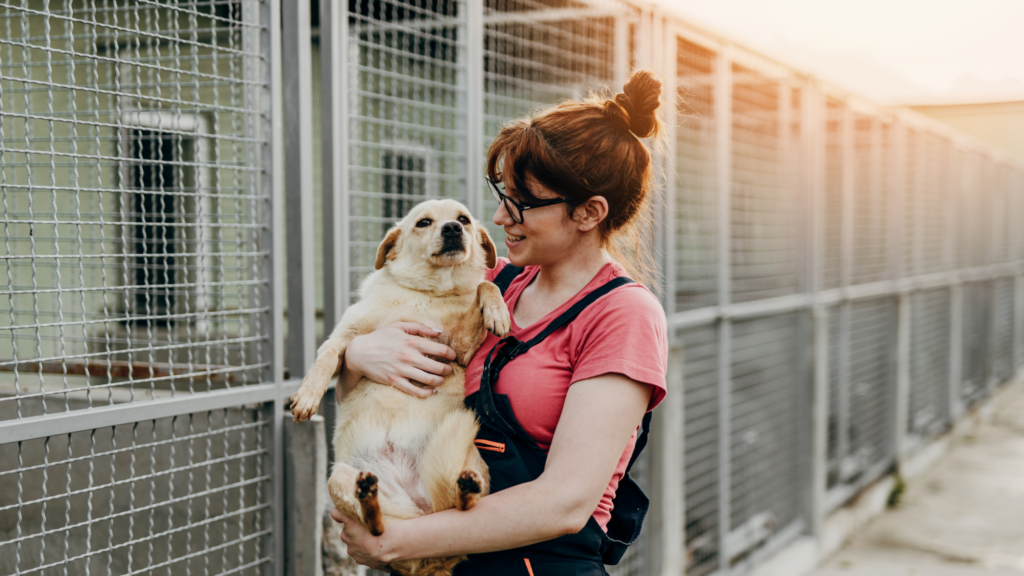
Spring is adoption season. Shelters are fuller, foster programs expand, and more families open their homes to animals in need. Along with that meaningful decision often comes a quiet expectation: If this was meant to be, it should feel easy.
But whether you’re navigating the rescue dog adjustment period, observing shifts in rescue horse behavior, or adjusting after adopting a rescue cat, there’s something important to understand: Transition takes time.
The Myth of Instant Bonding
When you bring a rescue animal home, you are entering a new chapter. From your perspective, it feels hopeful and exciting. From theirs, it is a complete environmental reset.
Everything has changed at once:
- New smells
- New sounds
- New routines
- New rules
- New humans
While you may feel immediate love and attachment, your animal is assessing safety. Many adopters expect affection and bonding within the first few weeks. When that doesn’t happen, doubt creeps in:
- “Did I choose the wrong animal?”
- “Why don’t they seem attached?”
- “Why are behaviors getting worse instead of better?”
The truth is that bonding follows safety, not the other way around. Before the connection deepens, your animal’s nervous system needs evidence that this new environment is predictable and secure.
The Rescue Dog Adjustment Period: What’s Normal
The rescue dog adjustment period is often described in phases. In the first days or weeks, some dogs appear unusually quiet or compliant. This can feel like instant success, but it is often observation mode. They are watching, studying, and learning.
As the weeks progress, new behaviors may surface, including:
- Reactivity
- Boundary testing
- Anxiety
- Increased energy
- Vocalization
This is not regression. It is often the dog settling in enough to reveal their true personality. What feels like “backsliding” may actually be progress. Your dog is no longer simply surviving; they are beginning to engage.
Rescue Horse Behavior: Evaluating the Environment
With rescue horse behavior, adjustment may show up in more subtle but equally meaningful ways. Horses are wired for herd safety and environmental awareness. A new pasture, new herd members, or a new handler shifts their entire sense of security.
You may notice:
- Hyper-alertness in unfamiliar spaces
- Changes within herd dynamics
- Tension during grooming or handling
- Differences in responsiveness under saddle
Horses constantly scan for safety. It may take weeks or even months for a rescue horse to fully relax into a new routine. That timeline is not a failure but a biological wisdom at work.
Adopting a Rescue Cat: Withdrawal Is Information
When adopting a rescue cat, adjustment often appears as withdrawal. Cats may hide for days or weeks, eat primarily at night, avoid touch, or guard specific rooms. This can feel discouraging for adopters who are hoping for immediate connection. However, hiding is not rejection; it is regulation. Cats conserve energy and observe before engaging. Once the environment feels predictable, their personality gradually unfolds.
What looks like distance is often a careful assessment.
Adjustment Isn’t Linear
One of the most important things to understand when rescuing any animal is that progress is not linear. You may experience a calm week followed by a reactive one, sudden confidence followed by hesitation, or moments of deep connection followed by distance. This fluctuation does not mean something is wrong. It means your animal’s nervous system is recalibrating in layers. Each wave is part of the settling process.
When to Be Patient And When to Seek Support
Time is a powerful ally during rescue transitions. Many adjustment behaviors resolve naturally as safety increases. However, time alone does not address every challenge.
It may be helpful to seek support if:
- Behaviors escalate instead of stabilize
- Anxiety interferes with daily life
- Herd tension becomes unsafe
- Litter box or feeding issues persist after veterinary clearance
- You feel overwhelmed or unsure how to respond
Support does not mean your animal is broken. It means you are choosing to guide the adjustment intentionally rather than navigating it through uncertainty.
You’re Not Behind, You’re Building
Rescue stories are often romanticized, but real connection after adoption is quieter and more layered than the highlight reel. Your animal is not failing. You are not failing. You are building a foundation. The rescue dog adjustment period, shifts in rescue horse behavior, and transitions after adopting a rescue cat all follow the same progression:
- Safety
- Trust
- Bonding
When safety is established, trust begins. When trust grows, connection follows. If you want support navigating that timeline with greater clarity and confidence, a consultation can help you understand what your animal is working through and how to move forward intentionally.