
Categories
Animal Communicator Partnerships

How Animal Communication Supports Holistic Care

When our animals show us something is “off,” it can feel overwhelming to know where the issue originates.. Maybe your dog suddenly stops eating. Maybe your cat starts hiding under the bed. Or your horse refuses to load into the trailer after years of doing it easily.

As loving caretakers, our first question is usually: What’s wrong? But figuring out whether the issue is behavioral, emotional, or physical can be challenging. That’s where animal communication becomes such a powerful tool in supporting holistic care. By tuning into your animal’s thoughts, feelings, and energy, a communicator can help uncover the underlying cause and point you toward the right next step, whether that’s a trainer, behaviorist, veterinarian, or another professional who works with animals.

Looking at the Whole Animal

Holistic care is about seeing the whole animal—body, mind, and spirit—rather than focusing on just one part. Just like people, animals are complex beings whose physical health, emotional state, and behaviors are deeply connected.

Take the horse that refuses to load onto a trailer. To an observer, the horse may appear stubborn or uncooperative. But beneath the surface, several possibilities exist:

  • Behavioral: The horse may have had a negative experience in the past, like being rushed or getting hurt during transport. Over time, that learned memory becomes a behavior pattern.
  • Emotional: The horse could be experiencing fear or anxiety, perhaps picking up on the handler’s nervous energy or remembering an unsettling trip.
  • Physical: Pain in the back, legs, or joints could make stepping up into the trailer genuinely uncomfortable or unsafe for the horse.

Without understanding which of these areas is at play, it’s easy to misinterpret the behavior—and even accidentally make the problem worse. Animal communication helps bring the full picture into focus.

How Communication Helps Direct Care

One of the most valuable aspects of animal communication is its ability to clarify where to look first. While communicators are not substitutes for veterinarians or trainers, we can serve as a bridge to point caretakers toward the right kind of help.

If the issue is behavioral: A trainer or behaviorist can step in with the right tools and techniques to retrain patterns and create new habits. For example, a dog that pulls aggressively on the leash may not be “naughty” but rather hasn’t learned how to channel energy in a positive way. With this knowledge, a behaviorist can provide structured exercises to redirect that energy.

If the issue is emotional: Communication can reveal if an animal is struggling with stress, fear, or confusion. Sometimes these issues can be eased through calming techniques, environmental adjustments, or even complementary therapies like energy work or massage. A cat that suddenly starts urinating outside the litter box, for example, might be expressing stress over a new household change rather than showing defiance.

If the issue is physical: When an animal communicates sensations of pain, discomfort, or fatigue, it’s a clear signal to involve a veterinarian, chiropractor, or another physical care provider. A dog that suddenly avoids jumping onto the couch may not be “lazy,” but they might be dealing with sore hips or a developing injury that needs medical attention.

Animal communication helps narrow the focus, ensuring you don’t waste time or resources chasing the wrong solution. Instead, you’re empowered to go straight to the professional who can provide the most appropriate support.

Strengthening the Human-Animal Bond

Beyond problem-solving, communication also strengthens the bond you share with your animal. When animals feel that their voice has been heard, many display visible relief. Their body softens, their eyes brighten, and they often become more willing to cooperate.

This deepened connection creates trust, which is itself a form of healing. Just as people feel better when their concerns are acknowledged, animals thrive when they sense that their needs and emotions matter. Over time, this trust enhances every aspect of your relationship, from training sessions to everyday companionship.

Building a Circle of Care

Think of animal communication as one part of a broader wellness team. Just as a person might benefit from having a doctor, therapist, and coach working together, your animal flourishes when care providers collaborate. A communicator, trainer, and veterinarian may each bring unique insights, but when combined, their efforts create a complete circle of care.

In this way, animal communication doesn’t replace professional services. It complements them. It ensures that you’re approaching your animal’s well-being with clarity, intention, and respect for the whole being they are.

If your animal is showing you something unusual, whether it’s a change in behavior, a shift in mood, or physical discomfort, don’t dismiss it as “just how they are.” With animal communication, you gain an extra layer of understanding that helps you determine whether the root is behavioral, emotional, or physical. From there, you can take the right next step, whether that’s scheduling a vet visit, seeking a trainer, or making simple adjustments at home.

At the heart of it, communication is about listening. And when we listen to our animals, we not only uncover what they need most—we also honor the deep bond we share with them. That’s the foundation of holistic care.

Categories
Animal Communicator Partnerships Animal Health Animal Medical Intuitive

Translating Animal Insights into Veterinary Care: Colby’s Story

Animal communication can do more than help me understand whether a pet is struggling with behavioral, emotional, or physical needs. It can also provide valuable insights that support a truly holistic approach to their well-being. When I share an animal’s insights in a way their family and veterinarian can understand, it creates a partnership where everyone (pet, caregiver, and professional) is working together for the same goal: the animal’s comfort and well-being.

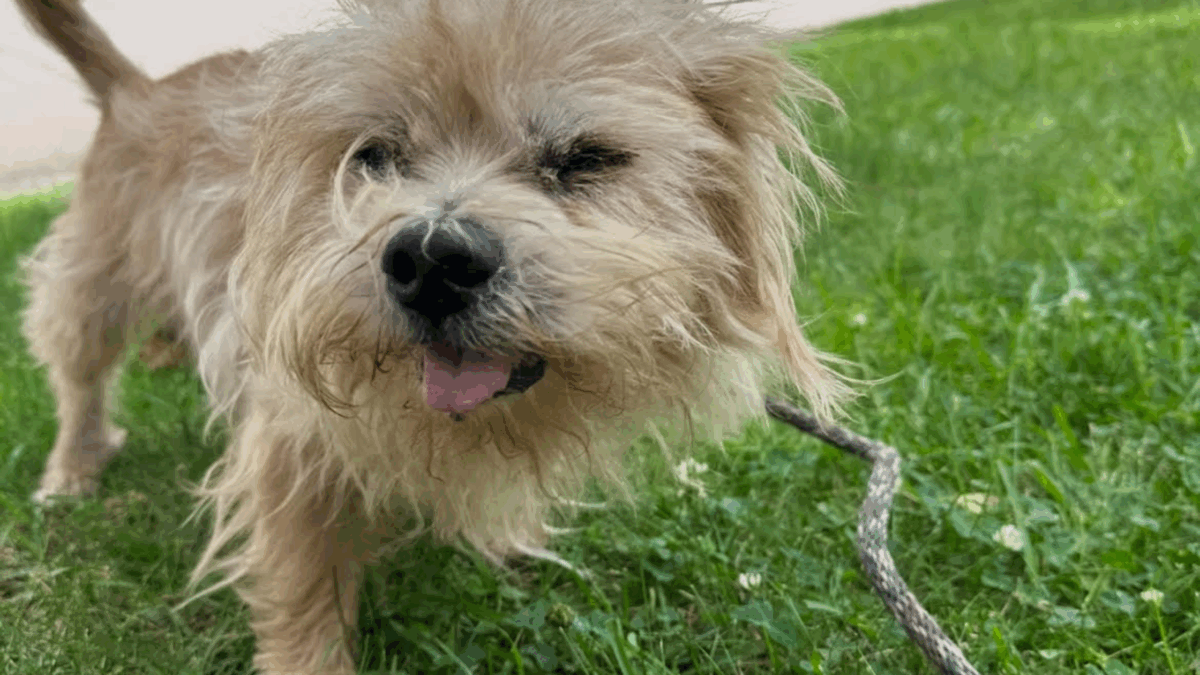
For many families, this process becomes a bridge that gives animals a “voice” in their care and allows veterinarians to pinpoint issues sooner, treat them more effectively, and fine-tune therapies to support quality of life. The story of Colby, a senior dog adopted by Kate and Sam, beautifully illustrates how this process works.

A Lifetime of Care and Compassion

Kate and Sam are a retired couple who have always had canine companions as part of their family. Through the years, as each of their dogs reached the senior stage, they were diligent about providing not only comfort but also longevity through attentive care.

As every dog lover knows, those golden years can bring physical challenges like arthritis, vision impairment, and mobility issues, all of which require special attention. Kate and Sam have always maintained a strong relationship with their primary veterinarian, while also embracing supportive professionals such as a chiropractor, acupuncturist, and me as their animal communicator. They’ve found that this partnership works beautifully to support their companions on every level as they age.

When their household was empty of pets for the first time in years, they made the intentional choice to adopt senior dogs, becoming experts at the kind of care these animals need most. That’s how Colby, a sweet little senior dog, found his way into their home. Relatively healthy despite his advanced years, Colby has gone on to enjoy some of his very best years thanks to Kate and Sam’s thoughtful, team-based approach.

Establishing a Baseline Through Communication

When Colby was first adopted, Kate and Sam contacted me to do a wellness check-in. This initial session gave us a baseline assessment of his overall well-being. I was able to share insights into his personality, his background, and his physical challenges so his family could track changes over time.

From my perspective, I could see right away that Colby had landed in the perfect home for his later years. His people were committed to listening to him and supporting him on every level—physical, emotional, and spiritual.

Over the years, they scheduled intermittent check-ins with me to monitor his well-being. When Colby reported pain, disorientation, or blurred vision, Kate and Sam knew it was time to bring him to their veterinarian for a closer look.

In one session with me, Colby reported low back discomfort, a headache, and diminished vision. I relayed this information to his family, who scheduled a veterinary exam. The vet confirmed two distinct issues: a spinal condition that required medication and a case of uveitis, which explained both the headaches and vision changes.

What struck me most was how clear Colby was in describing his sensations—he gave his people the exact clues they needed to advocate for him, and the veterinary exam validated everything he had shared.

Without Colby’s voice in the process, these issues might have gone undetected until they became much more severe.

Bridging the Gap with Symptom Tracking

Once his conditions were identified, Kate and Sam began using a daily symptom tracking journal. They closely observed changes in Colby’s energy, appetite, comfort during sleep and activity, and his response to medications.

Over time, this journal became invaluable. It allowed them to spot trends such as improvement in appetite and declines in mobility, and to share that information with their veterinarian. The journal provided a fuller picture of Colby’s well-being, making it possible to fine-tune therapies and adjust his care as needed.

From my perspective, the combination of Colby’s input during our sessions and the family’s careful daily notes created a 360-degree view of his health. It gave everyone (the family, the vet, and me) the information we needed to work together.

When New Conditions Arise

Later in his journey, Colby shared with me that he was experiencing great thirst, discomfort in his urinary tract, and nausea. I passed these sensations on to Kate and Sam, who brought him in for a thorough veterinary exam and bloodwork. The vet confirmed kidney disease.

Once again, their tracking journal proved essential. With both my notes and their careful records, the vet had a detailed timeline of Colby’s changes, which made it easier to design an effective treatment plan.

As treatment began, Colby continued to share how he felt. At one point, he described himself as feeling like “an inflated balloon.” His family immediately understood this as a reference to the extra fluids he was receiving twice daily at home. They discussed it with their veterinarian, who agreed and reduced the amount of supportive fluids.

Moments like this remind me why I do this work. Colby’s simple yet vivid words allowed us to adjust his care so he was more comfortable. His voice truly guided the process.

Why Translation Matters

Colby’s story demonstrates the importance of translating animal communication into language that veterinarians can use. Animals do not use words to speak. They share their experiences through sensations, emotions, and images. Their messages often come through metaphors such as:

  • “My vision feels like a foggy window.”
  • “My stomach is rolling like waves.”
  • “I feel pressure in my back like a heavy stone.”

My role is not to diagnose but to interpret these impressions and translate them into descriptions that can guide veterinary professionals. This input can highlight areas of concern, reduce guesswork, and support more individualized treatment plans. It also helps confirm whether therapies are truly improving comfort and well-being.

A Holistic Team for Quality of Life

At 15 years old, Colby will never act like a puppy again. But thanks to the combined efforts of his veterinarian, complementary care providers, and our regular communication sessions, he continues to enjoy life. He still engages with his family, eats well, and spends his days with comfort and connection.

For me, the most powerful part of Colby’s story is knowing his own voice has been included in his care. That voice has helped guide decisions and reassured his family that they are meeting his needs at every stage of aging.

Animal communication is not a replacement for veterinary care. It is a complementary tool that brings the animal’s perspective into the conversation. By translating these insights into information veterinarians can act on, families like Kate and Sam become stronger advocates for their pets.

The result is earlier intervention, more targeted treatments, and most importantly, a better quality of life for the animals we love. When animals are given a seat at the table in their own healthcare, everyone benefits. Colby’s journey is a beautiful reminder of just how powerful this kind of collaboration can be!

Categories
Travel

How to Prepare for Camping With Your Pet Based on Their Archetype

Camping with your animal companion can be a soul-nourishing experience. Whether you’re hiking forest trails, relaxing by the fire, or waking up to birdsong with your pet by your side, nature has a special way of deepening your bond.

But as I’ve seen time and again in my work as an animal communicator, not every animal approaches camping the same way. Just like us, our pets have distinct personalities, needs, and comforts. That’s where archetypes come in—patterns of behavior that help us understand how they might respond to life outdoors.

In my first blog, “Camping Adventures: The Best Pet Archetypes for Life in the Wild”, I shared how some animals thrive at a campsite while others might prefer to stay home or glamp. Now, I want to help you go a step further: preparing for your trip and knowing exactly what to bring to make the experience safe and enjoyable for everyone—based on your animal’s archetype.

Below are customized packing suggestions and preparation tips for each archetype across dogs, cats, and horses. Let’s dive in.

The Overseer – The Watchful Guardian

Preparation Tip: Overseers like to patrol and feel in control of their environment. Help them feel grounded with a clear vantage point and meaningful tasks.

Pack (All Species):

  • A secure tethering system or lead line (long-line for dogs, catio/enclosure for cats, high-line or corral for horses)
  • Elevated watchpoint (crate near a tent opening, hay bale, perch, or lookout post)
  • Mental enrichment: treat puzzles, forage feeders, or sensory toys
  • Noise-dampening tools: calming sprays, ear covers (for horses), or white noise apps

The Castle Guard – Loyal and Brave

Preparation Tip: These animals love to protect their “pack,” so group trips or family camping suits them well.

Pack (All Species):

  • Secure harness, halter, or lead with reflective safety features
  • Familiar-smelling blanket or item from home
  • Visibility gear: LED collar for dogs/cats, reflective breastplate or leg bands for horses
  • Reinforcement tools: treats, calm commands, or trusted objects that help them stay focused

The Jester – The Life of the Camp

Preparation Tip: Jesters need stimulation and a chance to perform. Keep them busy to prevent chaos and encourage fun.

Pack (All Species):

  • Toys for interaction: balls, teaser wands for cats, enrichment balls for horses
  • Enclosed space: playpen for dogs/cats, small corral or tied space for horses with room to roam
  • Easy-to-clean bedding (because they WILL get dirty!)
  • Lots of fresh water and hydration breaks (especially on hot days)

The Princess – Regal and Refined

Preparation Tip: These animals are sensitive and selective. Think comfort, quiet, and consistency.

Pack (All Species):

  • Soft, familiar bedding or crate with calming scents
  • Gourmet snacks or special feed
  • Privacy setups: covered litter box (cats), portable stall curtains (horses), shaded kennel (dogs)
  • Comfort items like brush kits, fleece, or their “royal” pillow

The King – Noble and Composed

Preparation Tip: Kings thrive in structure and stability. Stick to their routines as much as possible.

Pack (All Species):

  • Elevated or thick bedding (for dogs/cats) or sturdy tie-out/ground mat (for horses)
  • Elevated feeding/watering systems where possible
  • Calming support: flower essences, CBD (species-appropriate), or your soothing voice
  • Boundary tools: extra leashes, markers, or paddock fencing to reinforce space

The Knight – Courageous and Strong

Preparation Tip: Knights want purpose—so give them a job, whether it’s carrying supplies or leading the way.

Pack (All Species):

  • Backpack or saddlebag (for dogs or horses), or interactive toys that “assign” a role (for cats too!)
  • Trail gear: booties or hoof protection, water bowl/bucket
  • Cooling vest or shade sheets for high heat
  • First-aid kit for minor bumps, scrapes, or bruises

The Huntsman – The Trail Tracker

Preparation Tip: They love the thrill of the trail—but need firm boundaries and thoughtful direction.

Pack (All Species):

  • GPS tracker, bell collar, or visibility tags
  • High-value treats or feed rewards
  • Trail games: scent trails, food puzzles, or forage bags
  • A well-fitted harness, halter, or lead for safety on uneven terrain

The Busybody – Curious and Energetic

Preparation Tip: Give them space to explore safely—but set boundaries so their curiosity doesn’t lead to trouble.

Pack (All Species):

  • Tie-out cable or portable fencing (dogs), collapsible pen or catio (cats), secure corral or picket for horses
  • Sensory toys and movement-based enrichment (balls, climbing options, forage toys)
  • Shade and water access at all times
  • Cleanup essentials (poop bags, litter, muck tools—they keep you on your toes!)

No matter who you camp with, whether they purr, bark, or whinny, your animal is giving you the gift of presence. When we honor their archetype, we set the stage for an outdoor experience that’s full of joy, balance, and trust.Want help discovering your pet’s archetype or prepping for your next trip? I’d love to support you through a personalized animal communication session.

Categories
Travel

Camping Adventures: The Best Pet Archetypes for Life in the Wild

Heading into the great outdoors to go camping with your pet can be magical with the crackling campfires, rustling trees, starry skies, and your best friend by your side. But just like humans, animals have unique personalities and preferences, and not every pet is suited for the wilderness.

If you’ve ever wondered “Would my pet actually enjoy camping?”, I’ve got answers based on some pet archetypes that I have previously shared. These archetypes help reveal your pet’s natural instincts, behaviors, and temperament, which can help you determine how well they’d take to a tent under the stars.

Let’s explore which archetypes are best suited for camping and how to find the purr-fect campground for your next getaway.

Best Pet Archetypes for Camping Adventures

The Huntsman

Best for: Trail-chasing, scent-tracking, adventure-packed hikes
Huntsman pets are agile, focused, and love being in motion. Their resilient, brave, and driven nature makes them ideal for longer hikes, tent stays, and woodland exploration. They don’t need constant direction, making them ideal for solo treks or scent games around camp.

Camping tip: Give them a job. Hide favorite toys or treats around camp and let them “track” as enrichment.

The Knight

Best for: Campground security, long hauls, and rugged terrain
Brave, protective, and physically strong, Knights thrive when they have a role. They love protecting their people and staying active. If you’re venturing off-grid or camping in more remote areas, this loyal companion will have your back and your tent flap.

Watch for: Their size and strength. Make sure your campsite and vehicle are well-equipped for their needs.

The Busybody

Best for: Exploring new smells, socializing at campgrounds
These curious critters LOVE action and are up for anything. They’ll want to sniff every inch of your site and say hello to fellow campers (human or animal). Their adaptive nature makes them great for both solo trips and bustling campgrounds.

Pro tip: Bring interactive toys and a long lead so they can safely explore without wandering off.

The Jester

Best for: Light-hearted adventures, social campsites, kid-friendly outings
High energy and endlessly entertaining, Jesters bring the fun to any campsite. They’re agile and sociable, so group outings or family camping trips are ideal. Just keep an eye on their mischief. They may sneak your s’mores!

Camping With Cats, the popular Instagram page @campingwithcats, features many pets with Jester traits – playful, outgoing, and loving the limelight of campsite life.

Archetypes That May Prefer Glamping or Home

The Princess

Camping might not be her thing. If your fur baby turns up their nose at muddy paws, resists walks on dewy grass, or demands gourmet treats on a silver dish, your pet might fall under the Princess archetype. That’s OK. Try a cozy cabin or staycation.

The King or Overseer

While dignified and intelligent, these archetypes prefer calm environments and order. Unless you’ve got a luxurious RV and a routine-friendly campground, they may be better suited for structured pet-friendly lodges.

Where to Find Pet-Friendly Campgrounds

If your pet is ready for the great outdoors, you’ll want to plan ahead. Here are some go-to tools:

  • BringFido.com – Filter campgrounds, cabins, and trails by pet-friendliness. Includes reviews and amenity details.
  • Hipcamp.com – Think Airbnb, but for campsites. Many listings note pet policies clearly.
  • GoPetFriendly.com – Lists pet policies, travel tips, and campgrounds across the U.S.
  • Instagram: @campingwithcats – Inspiration, tips, and gear ideas if your feline is the one joining you around the fire.

Final Thoughts: Know Before You Go

Even if your pet seems like a natural camper, it’s important to check in with them. Consider an animal communication session to discover how your pet feels about the outdoors, travel, and new environments. It can help reduce anxiety, prepare for the trip, and ensure their needs are met.

With the right match of archetype and adventure, camping with your pet can be a bonding experience filled with fun, trust, and nature’s magic.

Ready to discover your pet’s archetype?
Download the 8 archetypes and how they influence your pet’s behavior and your adventures together.

Categories
Animal Communicator

Should I? Could I? What Does My Animal Want?

If you’ve ever found yourself asking “Should I let my dog sleep on the couch?” or “Could my horse be happier in a different stall?”, you’re not alone. These aren’t just everyday questions for pet owners; they’re signs of a deeper desire to understand and honor the animals we live with.

But what if, instead of guessing, we started asking a different question altogether: “What does my animal want?”

This shift, from assumption to curiosity, can completely change how we care for, communicate with, and connect to our pets. And it starts with one key principle: choice matters.

Why Choice Isn’t Just a Luxury – It’s a Necessity

Many of us love our pets dearly. We provide food, shelter, toys, affection—but we often forget they live almost entirely within the boundaries we create. Their routines, their environment, even their social interactions are typically dictated by us.

And while structure is important, so is autonomy. Offering our pets safe, intentional choices can improve their emotional well-being, reduce behavioral issues, and strengthen the bond we share.

Our recent download, Why Giving Your Pet Choices Matters, dives deeper into how even small decisions, like where they nap or who they interact with—can make a profound difference. But here are a few real-world scenarios that illustrate how this plays out.

Companionship Preferences: Alone or Together?

Not all animals are social butterflies. While some dogs thrive in busy households with multiple people and pets, others may prefer quiet companionship and consistent one-on-one interaction. The same goes for cats and horses.

We sometimes assume they’ll enjoy what we enjoy, like a playdate at the dog park, a ride in a group lesson, or a new feline roommate. But when we pause to observe, we may notice signs of discomfort: pacing, hiding, tension, overexcitement, or withdrawal.

Instead of making choices for them, we can start offering options:

  • “Would you rather play in the yard or walk the neighborhood?”
  • “Do you prefer grooming sessions with others nearby or in quiet moments alone?”
  • “Is having another animal in your space enriching or overwhelming?”

Respecting these preferences can lead to a more relaxed, secure animal, and fewer conflicts or meltdowns caused by forced interaction.

Fear-Based Behavior vs. True Personality

Sometimes what looks like stubbornness, aloofness, or even aggression is actually fear.

Fear-motivated choices can be easy to misinterpret, especially when they conflict with what we think should be happening. If a horse backs away from the mounting block, a cat hides under the bed during a gathering, or a dog growls when touched while resting, it’s not about disobedience. It’s about a lack of safety and control.

By recognizing fear responses and gently offering alternatives, we help rebuild trust. That might mean:

  • Letting your horse approach the mounting block on their own time
  • Creating a designated quiet space for your cat during visitors
  • Teaching your dog a cue that allows them to “opt out” of touch

This approach respects the animal’s emotional landscape and helps shift the question from “Why won’t you do this?” to “What do you need to feel safe?”

Introverts and Extroverts: Yes, Animals Have Social Styles Too

Just like humans, animals have different energy levels and social bandwidth. Some pets seem to light up around others. They greet every person or animal with enthusiasm, thrive in new environments, and seek constant engagement. Others are quieter, more observant, and need space to decompress.

Recognizing where your pet lands on this spectrum helps you make decisions that feel good for both of you. A more extroverted dog might enjoy daycare or interactive games, while an introverted one may prefer scent work or a calm walk in nature.

And when pets live with other animals, respecting individual social styles improves household harmony.

Start Small, Listen Often

The goal isn’t to give your animal free rein—it’s to acknowledge that they have preferences, personalities, and emotional needs. When we offer small, safe choices, we say: “I see you. I respect you. I’m listening.”

So next time you find yourself wondering:

  • Should I bring them along?
  • Could I introduce something new?
  • Would they be happier with a change?

Pause. Observe. Offer a choice. You might be surprised at how clearly your animal communicates when you give them the chance.

Want to explore this more? Download my free guide, Why Giving Your Pet Choices Matters, to learn how agency affects behavior, confidence, and connection—no matter what species you love. You can also download my horse, dog or cat Independence Guides, which offer 5 questions you can ask to deepen your understanding.

Categories
Animal Energy

Your Animal is Trying to Help You Heal. Are You Listening?

In the quiet moments, when your pet gazes at you with soft eyes or nudges you gently after a long day, there’s often more happening beneath the surface than simple affection. As an animal communicator, I’ve learned time and time again that animals are not just companions, they’re deeply attuned healers, mirroring our inner worlds in powerful, often surprising ways.

Animals as Spiritual Mirrors

Animals mirror our inner world in a way that is subtle but profound. They pick up on shifts in our emotional energy, sense the heaviness we might be pushing down, and respond with unconditional love. They become our silent supporters, reflecting patterns that we may not have noticed within ourselves.

This mirroring isn’t meant to alarm; it’s meant to awaken. Sometimes they highlight stress or sadness, other times it’s physical pain or imbalance. Either way, it’s always done with the purest intention: to help us return to balance.

Physical Symptoms: A Deeper Message

One of the most remarkable and often overlooked ways animals support us is through physical manifestations. I’ve communicated with countless animals who were showing symptoms that directly correlated with a human’s condition—a lameness or muscle tension that corresponds to its owner’s hip pain, digestive troubles mirroring their guardian’s gut issues, or even thyroid concerns paralleling hormonal imbalances.

It’s not that animals “catch” our illnesses, but rather, their bodies often reflect what’s energetically happening in the home. They are incredibly sensitive to our emotional and physical frequencies, and sometimes their own health will begin to show signs that point back to us.

Emotional Healing in Action

Animals also support our emotional healing on a daily basis. They can feel the vibrations of our nervous system when we’re anxious, disconnected, or heavy with unprocessed emotion. Their responses are intuitive: a dog lying across your chest during a panic attack, or a cat purring while curled up against you when grief strikes.

That purr, by the way, isn’t just comforting. It vibrates at a frequency scientifically known to promote healing in bones and tissues. Whether it’s a lick, a paw, a nuzzle, or simply their presence, animals regulate us in a way that many humans don’t fully realize until it’s gone.

Intuitive Health Scanners

In addition to sensing our energy, animals can detect physical conditions using their heightened senses. Many dogs have been known to alert their humans to cancers, seizures, blood sugar changes, or infections, often before a doctor can. They don’t need a medical degree; they just need to be near you. I’ve actually experienced a dog showing me a large, black spot overlying the image of his owner’s chest during a body scan session, and his owner was in the process of having a heart attack.

This level of awareness is both beautiful and humbling. They’re tuned in to our bodies and our well-being in ways that science is only beginning to understand.

The Importance of Gentle Communication

When animals reflect back something deep or difficult, I approach it with great care. If an animal is mirroring a human’s health or emotional challenge, it’s essential to communicate that reflection with compassion and sensitivity. These are sacred messages, not diagnoses. The goal is never to alarm, but to open a door to awareness, to curiosity, and to healing.

Are You Paying Attention?

If your animal is behaving differently, showing new symptoms, or becoming more attached or distant, ask yourself: What might they be showing me?

This isn’t about blame, it’s about connection. Your animal isn’t just reacting to you; they’re partnering with you. They’re walking beside you, often absorbing what they can so you don’t have to carry it alone.

Are you listening?

Because they are. Always.

Categories
Animal Energy

How Summer Affects Your Animal’s Energy

As an animal communicator, one of the patterns I see every year, without fail, is that many animals become more energetically sensitive and emotionally unsettled during the summer months. And it’s not just the heat.

In my recent blog, How Animals Are Raising the Vibration of the World,” I shared how animals play a vital role in our energetic ecosystems. But in order for them to hold that space for us, we need to make sure they’re being supported—especially during times of seasonal transition.

Summer brings a perfect storm of environmental, emotional, and routine-based shifts that can deeply affect our pets’ well-being. While some animals may love basking in the sun or tagging along on road trips, others begin to show signs of stress, overstimulation, or imbalance—and often, their humans don’t realize why.

If your dog, cat, or horse seems a little “off” right now, you’re not alone. Below are some of the most common summer sensitivities and how you can help your pet feel more grounded, regulated, and safe.

1. Heat and Hydration

Summer heat doesn’t just affect the body—it amplifies energy. For animals who are already sensitive, anxious, or unsettled, rising temperatures can heighten their discomfort.

Watch for signs like:

  • Panting, pacing, or avoiding usual resting spots
  • Withdrawal to cool, dark areas
  • Irritability or lethargy, especially in horses

How to help:

  • Keep fresh, cool water available at all times
  • Avoid walks, rides, or turnout during peak heat hours
  • Use cooling tools: fans, damp cloths, shaded areas, or cooling mats
  • Add a splash of low-sodium bone broth or coconut water (vet-approved) to boost hydration

Know the signs of heatstroke:

  • Excessive panting
  • Rapid heartbeat
  • Weakness or vomiting
  • Bright red gums or glassy eyes
  • Collapse or confusion

If you suspect heatstroke, move your pet to a shaded area, apply cool (not cold) water to paws and belly, and seek immediate veterinary help.

2. Increased Stimulation from Crowds and Noise

Summer often means more outdoor activity: cookouts, construction, fireworks, lawn equipment, and general hustle. While some pets can handle the noise and energy, others become overstimulated quickly.

You may notice changes in your pet’s sleep, eating habits, or overall demeanor—sometimes mistaken for disobedience or illness, but actually a response to energetic overload.

How to help:

  • Set up a quiet retreat zone indoors with a cozy bed and minimal noise
  • Use calming aids like white noise, soft music, or flower essence sprays
  • Avoid crowded places if your pet is easily overwhelmed
  • After busy days, offer grounding time with brushing, massage, snuggles, or gentle walks

3. Seasonal Allergies… or Something More?

Like humans, pets can suffer from seasonal allergies—especially in early summer when pollen, grasses, and mold spores are high. But not every itch is caused by allergens; some can reflect stress, immune imbalance, or energetic disharmony.

Common signs of allergies:

  • Excessive licking or grooming
  • Itchy ears or paws
  • Sneezing, nasal discharge, or watery eyes
  • Hot spots or recurring rashes

What to do:

If symptoms persist, do an animal communication session for a body scan, and partner with your veterinarian. They can help rule out infections or intolerances, and an animal communicator can help you uncover whether emotional or environmental stressors may also be at play.

4. The Disruption of Routine

One of the most overlooked summer stressors is a change in rhythm. The school year ends, vacations are planned, schedules shift—what was once predictable now feels scattered.

For our animals, this change can feel confusing and even scary. Your dog may follow you more, your cat may hide, or your horse may act out or seem withdrawn. They don’t understand why everything changed—they just feel the shift.

How to help:

  • Keep daily feeding, walking, and rest times as consistent as possible
  • Give pets space and quiet time away from summer chaos
  • If routines must change, help them adjust gradually
  • Ask kids and guests to engage gently and respectfully with your animals

Pet’s Feel What You Feel

Your animal may not know it’s “summer,” but they know when something feels off. They feel your stress, excitement, anxiety, or overwhelm—even if you don’t say a word.

Supporting your animal through summer means tending to both their energetic well-being and their physical needs. With awareness, intention, and consistency, you can help them stay regulated, grounded, and connected—even as the world shifts around them.

Categories
Travel

Preparing for Summer Travel: Supporting Your Pets While You’re Away

Summer is a season of adventure—family vacations, road trips, beach days, and breaks from the everyday routine. While we may look forward to the change, our pets often feel the opposite. They thrive on consistency, familiarity, and energetic connection. When that shifts—especially when their humans leave—stress, confusion, and emotional imbalance can arise.

As an animal communicator, I’ve seen time and again how a little planning, presence, and energetic awareness can ease transitions and help animals feel more secure—even when their environment changes.

If Your Pet Is Traveling With You

Travel can be fun, but it can also be overstimulating for animals—unfamiliar smells, environments, energy, and routines. Here’s how to help them feel grounded and safe while on the go.

Practical Support

1. Pack a Pet-Specific First Aid Kit
Bring along essentials in case of cuts, bug bites, upset stomachs, or allergies. Include:

  • Bandages and gauze
  • Saline solution
  • Tweezers
  • Vet-approved antihistamines
  • Electrolyte support
  • Natural calming remedies

3. Know Where to Go in an Emergency
Research nearby emergency veterinarians or 24-hour animal hospitals at your destination, just in case something unexpected happens. Also, make sure their microchip registration is up to date and they are wearing one or two forms of ID on their harness or collar. 

4. Flea, Tick, and Heartworm Prevention
Before heading out, confirm that your pet is protected—especially if they’ll be spending time outdoors in new environments.

5. Find Pet-Friendly Spaces
Identify restaurants, parks, or entertainment venues that welcome pets. Planning ahead prevents stress and avoids last-minute scrambles.

6. Bring Comfort From Home
Pack a familiar blanket, toy, or shirt with your scent to provide a sense of continuity and grounding in new environments.

Energetic & Emotional Preparation

1. Have a Grounding Conversation Before You Go
Sit quietly with your pet and speak with calm intention. Visualize what’s coming:

“We’re going on a trip together. There will be new places and people, but you’ll be with me the whole time. You’re safe. We’re going to enjoy this adventure together.”

Even if your pet doesn’t understand every word, they feel your clarity—and it helps reduce their anxiety.

2. Manage Their Energy in Motion

  • Maintain structure with feeding, walks, and rest
  • Offer grounding time each day (gentle touch, slow walks, soft music)
  • Watch for overstimulation and give them space when needed

If Your Pet Is Staying Home

Whether they’ll be in the care of a friend, a professional sitter, or a boarding facility, pets often feel vulnerable when their people leave. Without support, this can lead to separation anxiety, restlessness, or behavior changes.

Practical Support

1. Prepare General Care Instructions
Even if your pet isn’t on meds, create a care sheet with:

  • Feeding times and portion sizes
  • Walk or turnout schedules
  • Sleep routines
  • Favorite calming activities or known triggers

2. Medications + Vet Care Info
If your pet takes regular medication, pre-portion it and include:

  • Dosage details
  • When/how to administer
  • Vet and emergency vet contact information

3. Introduce the Caregiver Early
If possible, let your sitter spend time with your pet before the trip. A walk or playtime builds trust and helps your pet feel more comfortable when you’re gone.

4. Keep Routines as Consistent as Possible
Structure provides emotional security for animals. Ask the sitter to maintain your pet’s daily rhythms—such as feeding times, walks, and rest—as closely as possible. When routines are disrupted, some pets may feel unsettled or try to escape. To help keep them safe, ensure their microchip information is up to date and that they’re wearing identification on their collar or harness. 

5. Comfort Items + Scent Cues
Leave behind something that smells like you—blankets, toys, or clothing. Familiar scents help calm your pet and maintain the energetic bond while you’re away.

Energetic & Emotional Preparation

1. Communicate with Intention
Before leaving, sit with your pet and let them know what’s happening:

“You’re going to stay with Aunt Jane while I’m away. She will take great care of you. I’ll be back. I love you, and you are safe.”

Use your voice, imagery, and calm presence. This clarity helps reduce anxiety and reassures your pet that the separation is temporary.

2. After You Return
Re-entry can feel like another transition. Give your pet space to process. Spend quiet time together and offer grounding activities—like brushing, cuddling, or walking—without pressure.

Your pet may not understand the details of your travel plans—but they do understand energy, presence, and intention. Whether they’re coming along for the ride or staying behind, preparing them with both practical steps and emotional support can make the experience easier for everyone.

By planning with love, clarity, and consistency, you help your pet feel safe, seen, and supported—wherever the summer takes you both.

Categories
Animal Energy

How Animals Are Raising the Vibration of the World

As an animal communicator, I’ve come to deeply understand that animals—both domestic and wild—aren’t just here with us. They’re here for us. They’re teachers, healers, messengers, and energetic allies walking alongside us, each playing a vital role in raising the vibration of the planet.

Their purpose goes far beyond companionship or ecological balance. Animals are here to shift the frequency of our world—to help us remember how to love more deeply, live more consciously, and reconnect to the natural rhythm of life.

Animals as Vibrational Anchors

Every animal emits a unique energetic signature. A dog’s loyalty, a cat’s calm presence, a horse’s grounded power, a bird’s song, a deer’s stillness—all carry frequency. And that frequency interacts with ours in very real, very tangible ways.

You may have felt this without realizing it: the way your shoulders drop when your cat curls up beside you. The joy that bubbles up when your dog greets you at the door. The way time seems to stand still when you’re watching a wild animal move freely through its habitat.

This isn’t coincidence—it’s energy. And animals are masters of it.

In my work, I’ve witnessed animals intentionally offer comfort to grieving humans, absorb anxiety from stressed caregivers, and energetically hold space for healing during illness or transition. Some do this subtly; others quite obviously. But the message is always the same:

“I am here with you. I feel what you feel. Let’s shift this together.”

The Energy We Share

What many people don’t realize is that the energetic exchange between humans and animals is a two-way street. Our moods, intentions, and energy affect them just as much as theirs affect us.

I’ve connected with animals who’ve taken on their person’s emotional pain, carrying grief, fear, or worry in their own bodies to lighten the human’s load. This may show up as fatigue, behavioral shifts, or even physical symptoms. That’s how deeply devoted they are to the healing process of their people.

And it’s not just our pets. Wild animals respond to the collective energy of the planet, too. When humans are out of sync, when the earth is heavy with fear or unrest, the natural world reflects it. But it also helps recalibrate us. Spending time in nature—sitting with birdsong, walking among trees, watching wild horses—realigns us with the pulse of the earth.

It’s one of the most powerful energetic harmonies we have access to.

Our Role in Our Partnership with Animals

While animals so willingly offer their energy, it’s easy to forget that they also have needs—physical, emotional, and energetic. They are not bottomless wells. They are not here to serve us unconditionally without reciprocity.

They are here to partner with us. That partnership comes with responsibility. To listen. To learn. To offer care in return. Especially now, when so many people are struggling.

Lately, I’ve been hearing from more animals whose humans are worried—about money, food, vet bills, housing. Pets are picking up on that stress. Horses are feeling the pressure in backyards where hay deliveries have slowed. Dogs are waiting longer for walks as owners work longer hours. Cats are wondering why the routines they knew have changed.

This isn’t about guilt—it’s about awareness. Many people are doing their very best in challenging times. But as members of a shared, energetic community, this is our opportunity to rise—not just vibrationally, but practically.

Love in Action

If you’ve ever said, “I just knew something was off with their animal,” trust that. Your sensitivity is a gift. When energy feels heavy or something in your gut says a neighbor or friend might be struggling, you’re likely picking up on a truth that hasn’t yet been spoken.

This is where we get to step in—not with judgment, but with kindness. With a bag of pet food. An offer to walk a dog. A conversation at the fence asking if the horses have what they need. A shared link to a community resource. A moment of compassion.

These small gestures are huge in the eyes of an animal who senses relief in their person’s heart. You don’t have to do everything. Just something. Because animals are raising the vibration of the world, yes. But we are the ones who must keep that vibration rooted in action.

In my next blog, I’ll share ways to recognize when a neighbor or friend might need help caring for their animals—and how to offer that support gracefully and meaningfully. Until then, may you walk gently with all creatures, knowing that every interaction is an energetic thread in the great tapestry of healing.

Categories
Pet Owner Support

Listening Beyond Words to Support Our Neighbors and Their Animals in Difficult Times

As an animal communicator, I’ve come to understand that communication doesn’t always come through words. Sometimes it’s a quiet look from a dog whose routine has shifted. Other times, it’s the stillness of a backyard where horses used to graze more freely. And sometimes, it’s simply an energetic “nudge” that tells you a neighbor or friend might need support, even if they haven’t said a word.

The current economic climate has made things harder for many of us, and that includes our animal companions. Whether it’s the rising cost of hay, vet bills, or just making sure there’s enough food for everyone in the household—animals feel it too.

Here’s how you can recognize subtle signs that someone you know—especially a friend or neighbor—might need a helping hand, and how you can offer support in a way that honors their dignity and the deep bond they share with their pets.

1. Tune Into Changes in Routine or Behavior

Animals are creatures of habit. If you used to see a neighbor walking their dog every morning, and now the dog is mostly in the yard, it may be a sign that something has changed. Maybe they’ve taken on extra shifts. Maybe walking the dog has become too physically demanding. Either way, it might be the perfect time to say:

“Hey, I’d love to take [dog’s name] for a walk during the day if that would help at all.”

This small act of kindness can lift the spirits of both the human and the animal.

2. Observe from a Place of Compassion

If you notice horses in a backyard that seem thinner than usual or if their hay pile is looking low, trust your instincts—but approach with compassion. Many elderly neighbors with beloved animals may be struggling quietly.

You might gently say:

“I’m heading out to the feed store this week—can I pick up a bale or two for you? I’d love to help if I can.”

Sometimes, it’s easier to accept help when it feels like a shared community effort, rather than a handout.

3. Offer Instead of Ask

Instead of asking if someone needs help, try offering something specific:

  • “I have some extra pet food—would you be open to me dropping it off?”
  • “We got a few extra cans in our last order, would you like some?”
  • “Here’s a list of local programs that help with pet supplies and veterinary care, just in case.”

By offering resources or help before they ask, you alleviate the discomfort that can accompany admitting a need.

4. Energetic Awareness: The Unspoken Truth

Sometimes you don’t see the signs—but you feel them. A heaviness in the air. A change in the way someone interacts with their animals. As someone tuned into energy, I encourage you to trust those feelings.

Send love. Reach out. Offer a smile or a kind word. Let them know they’re not alone. Sometimes, just knowing someone sees them can change everything.

5. Share Resources Respectfully

You never know who’s silently struggling, so don’t wait for someone to open up. You can share helpful links or community resources on your social media or in neighborhood groups, like:

  • Local food banks with pet food pantries
  • Veterinary clinics offering payment plans
  • Nonprofits offering feed assistance for livestock and horses

Frame it like this:

“I came across this great resource for pet owners and wanted to share in case it helps anyone.”

You never know whose life you might change just by sharing.

We’re All in This Together

Animals are our mirrors, and when we pay attention to them, we often get a glimpse into what their humans are going through. This season, let’s care not just with our eyes and ears—but with our hearts. Because love, like communication, doesn’t always need words.