Categories
Animal Connection

How Do You Know When An Animal Loves You?

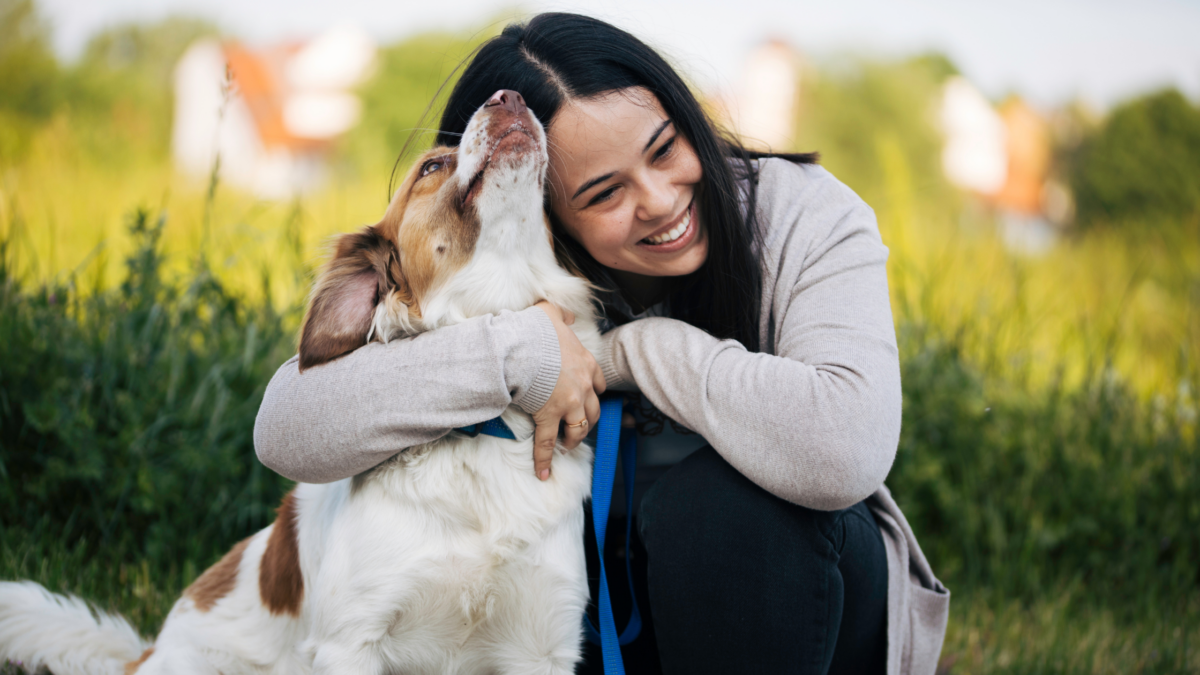
After exploring how animals experience love, a natural question often follows, sometimes softly, sometimes with uncertainty: How do I know when my animal loves me? Humans are taught to look for reassurance through words and obvious gestures. Animals don’t express love that way. They don’t perform affection for confirmation. When an animal loves you, it shows up through the way the relationship functions through choice, trust, regulation, and presence. Understanding how animals express love means learning to recognize connection in forms that may look quieter than we expect, but are no less meaningful.

When an Animal Loves You, It Shows Up as Choice

One of the clearest signs that an animal loves you is choice. Animals do not stay near humans out of obligation. When they choose proximity, especially when there is no task, no food, and no request being made, that choice carries weight.

A dog who follows you through the house, settles near you during calm moments, or checks in visually throughout the day is choosing relationship. A cat who sits nearby rather than on you, sleeps where they can see you, or moves from room to room with you is also choosing connection, even if it’s less demonstrative. A horse that walks toward you in the pasture, mirrors your movement, or remains engaged without being haltered is expressing preference and connection in a way that is entirely voluntary. Love, from an animal’s perspective, often shows up first in where they choose to place themselves.

When an Animal Loves You, It Shows Up as Regulation

Animals who love you often help regulate the relationship. You may notice your dog relaxing when you exhale, lying close when you’re overwhelmed, or becoming calmer simply by being near you. Cats often regulate more subtly, staying present during emotional shifts, positioning themselves nearby, or appearing once energy settles. Horses, in particular, are deeply attuned to nervous system states. A horse that softens their body, lowers their head, sighs, or matches your breathing is responding directly to your internal state.

This kind of attunement isn’t accidental. Animals are constantly reading nervous systems. When they adjust themselves in response to you, they are participating in the emotional field of the relationship. That participation is one of the ways animals experience and express love.

When an Animal Loves You, Trust Becomes Visible

Trust is one of the deepest expressions of love an animal can offer. A dog who exposes their belly, sleeps deeply in your presence, or allows care during discomfort is showing trust. A cat who sleeps near you, turns their back to you, or remains relaxed rather than hyper-vigilant is demonstrating safety in the relationship. A horse that allows you into their space, stands quietly with you, or remains emotionally available instead of guarded is offering trust built over time. Animals do not give trust lightly. When an animal loves you, they feel safe enough to be vulnerable without constant vigilance.

When an Animal Loves You, It May Not Look Like Affection

One of the most common misunderstandings about love is expecting it to look the same across species—or even individuals. Not all animals express love through cuddling, licking, or constant physical closeness. Some express love through parallel presence, shared space, or quiet companionship.

Cats are often misunderstood here. A cat who leaves when overstimulated but returns later is regulating the relationship, not withdrawing from it. Horses may step away to process and then re-engage, which is part of how they stay connected without overwhelm. Dogs, while often more outwardly expressive, may also show love through calm companionship rather than constant interaction. Love looks different depending on the species, temperament, and lived experience of the animal.

When an Animal Loves You, Honesty Is Part of the Relationship

Animals who love you will be honest with you. They will communicate discomfort rather than shut down entirely. They will express boundaries instead of complying out of fear. They will show you who they truly are rather than who they think you want them to be. This honesty is not defiance, but trust. An animal that feels safe in relationship doesn’t need to perform or appease. Love allows for truth.

Learning to See Love Through an Animal’s Eyes

If you ever find yourself questioning whether your animal loves you, it often reflects human doubt rather than animal absence. Animals don’t question love the way humans do. They don’t keep score or replay moments of insecurity. They live inside the relationship as it exists now.

The more you learn to observe choice, regulation, trust, and presence, rather than looking for human-style affection, the clearer love becomes. When you stop asking whether your animal loves you the way you expect and start noticing how they express connection in their own way, the answer is often unmistakable.

Love, to an animal, isn’t declared. It’s lived through consistency, honesty, and shared presence. And once you learn how to see it, you realize it’s been there all along.

Categories
Animal Connection

How Animals Experience Love

Love, from an animal’s perspective, isn’t abstract or symbolic, and it isn’t tied to special occasions or grand gestures. Animals don’t experience love as an idea. They experience it as the quality of the relationship itself.

In my work, and in countless conversations with pet guardians, one truth surfaces again and again: regulation, safety, and connection are rooted in relationship. That matters when we talk about love, because animals don’t measure it by our intentions or what we believe we’re expressing. They experience love through how the relationship feels.

Animals live in the present moment. Their nervous systems are constantly reading the environment for cues of safety, consistency, and attunement. For them, love doesn’t need to be named or explained. It’s something that’s felt through presence, reliability, and emotional coherence.

Love is Consistency, Not Intensity

Humans often equate love with intensity: strong emotions, big gestures, deep attachment. Animals experience love through reliability.

Who shows up every day?
Who respects rhythms and routines?
Who notices when something is off?

This is why disruptions like changes in schedule, travel, holidays, and emotional overwhelm can affect animals so deeply. When routines blur and energy shifts, animals feel the loss of predictability in the relationship. Not because they doubt love, but because love, to them, is part of what creates stability.

During times of transition or disruption, many people notice their animals behaving differently. Eating patterns change. Anxiety surfaces. Restlessness increases. These aren’t signs of misbehavior. They’re signals that the relational container has shifted. Animals don’t respond to events themselves. They respond to changes in regulation, consistency, and how present we are with them.

Love Is Felt Through the Nervous System

Animals don’t interpret words the way humans do. They read tone, breath, posture, and emotional coherence. Your animal knows when you’re distracted, even if you’re physically close. They know when your body is tense while your voice is cheerful. They know when you’re present without needing anything from them. From an animal communication perspective, love is transmitted through nervous system alignment. When your body is grounded, your breathing slows, and your attention softens, your animal feels safe. That safety is love. This is why simply sitting with your animal, without fixing, training, or engaging, can be one of the most loving things you do. You are offering regulation through presence.

Love as Responsibility and Care

One of the clearest expressions of love I witness is not joy, it’s grief. When an animal passes, especially after illness or long-term care, guardians often question whether they did enough. But animals experience love through being advocated for, not through perfect outcomes. Love looks like showing up for appointments, adjusting routines, and paying attention. Also, it’s making difficult decisions with care and humility. Animals don’t measure love by longevity or comfort alone. They experience love through being taken seriously as sentient beings whose experience matters.

When someone has gone above and beyond to provide quality of life, companionship, play, and presence, animals are aware of that devotion. They don’t judge limitations. They recognize effort, sincerity, and care. Grief, in these cases, is not evidence of failure. It’s evidence of a relationship that mattered.

Love Is Not Perfection

Animals don’t need us to be calm all the time. They don’t need us to get it right every day. What they need is emotional honesty. Trying to perform love (think being endlessly upbeat, patient, or composed) can actually create distance. Animals respond more deeply when we are genuine. A regulated nervous system doesn’t mean a silent one. It means one that can move, respond, and return. When we allow ourselves to be human, which may look like being tired, grieving, joyful, or uncertain, all while staying connected, animals feel included in our lives rather than managed around them.

How to Let Your Animal Feel Your Love More Clearly

You don’t need to do more; you need to slow down. When you sit with your animal without an agenda, allow your breathing to settle, and notice their body language without immediately interpreting or responding, you create space for genuine connection. Simply sharing space without expectation or effort speaks directly to how animals experience love: as safety, consistency, and connection. Love, to an animal, isn’t something you prove through actions or reassurance. It’s something you practice quietly, repeatedly, and honestly through the relationship you build together every day.

Categories
Animal Connection Animal Energy

The Missing Ingredient in a Dysregulated World: Listening to Animals

There is a lot of talk in the world about dysregulation of nervous systems, societies, ecosystems, and relationships. We name the symptoms everywhere: anxiety, burnout, aggression, disconnection, and environmental collapse. But we rarely pause to ask what’s actually missing underneath it all.

In this episode of Talk Tracks from The Telepathy Tapes, that missing ingredient becomes quietly clear: listening, not just to each other, but to the animals and living systems we share the world with.

In conversation with Ky Dickens, interspecies communicator Anna Breytenbach offers a perspective that feels less like a radical theory and more like a remembering. What if animals have been communicating all along? Not through words, but through presence, sensation, and shared awareness? And what if our collective dysregulation is, in part, a result of forgetting how to listen?

Rather than presenting animal communication as something mystical or extraordinary, this episode frames it as an innate human capacity. One that modern life has trained us to ignore.

Communication before words

Anna explains that telepathy, especially between species, isn’t about “sending messages” in a mechanical way. It’s not a sender, a receiver, and a tidy answer. Instead, it’s a direct knowing. This is an exchange that happens through emotion, imagery, physical sensation, and embodied awareness.

Animals don’t rely on language. They rely on presence. When humans slow down enough to meet them there, communication becomes possible.

Throughout the episode, Anna shares examples where animals convey grief, fear, physical pain, or environmental memory, often with details the human communicator couldn’t logically know. What stands out isn’t the novelty of these moments, but their consistency: when humans get quiet enough, animals respond.

Why listening regulates systems

This is where the conversation widens beyond individual animals or pets. Anna describes working with wildlife (elephants, whales, seals) where behavioral “problems” were actually expressions of trauma, fear, or unmet needs. When those needs were acknowledged and addressed, behavior changed.

Not because the animals were controlled but because they were understood.

Listening becomes a regulatory act:

  • Fear decreases when safety is communicated
  • Stress responses soften when trust is restored
  • Cooperation becomes possible when agency is respected

This applies not just to animals in captivity or conservation settings, but to all living systems. When communication breaks down, dysregulation follows. When communication is restored, balance begins to return.

Animals as sentient partners, not background characters

One of the most confronting points Anna makes is this: when animal communication “works,” humans are forced to acknowledge something uncomfortable.

Animals are fully sentient beings capable of choice, understanding, and cooperation.

This challenges long-held hierarchies where animals are seen as instinct-driven, lesser, or expendable. It also challenges how humans relate to the natural world as something to manage, extract from, or dominate.

Interestingly, Anna notes that despite profound harm caused by humans like poaching, captivity, and habitat destruction, animals often respond with compassion rather than anger. They sense human disconnection and, in many cases, respond with patience.

That compassion doesn’t excuse harm. But it does point toward a deeper truth: animals are not just reacting to us, they are responding to us.

Presence is the doorway

A recurring theme in the episode is that communication only happens when humans get out of their own way. Agenda, performance, skepticism, and distraction all interfere. Animals respond to integrity, calm, and genuine curiosity. They read energy before words. Trust matters on both sides.

This is why Anna emphasizes that learning animal communication isn’t about acquiring a skill. It’s about removing the noise that blocks what’s already there. Presence isn’t passive. Presence is active participation in relationship.

A quieter, more connected way forward

This episode doesn’t argue that animal communication will “save the world.” It suggests something more grounded and more realistic.

A regulated world begins with regulated relationships.

Listening to animals won’t fix everything. But it changes how we move through the world. It invites humility. It restores reciprocity. It reminds us that we are not separate from the systems we are trying to heal.

This is the space my work supports: helping people slow down enough to hear what their animals are already communicating, and to respond with clarity, respect, and care.

Not to become something extraordinary. But to remember how to be in relationship again. Oftentimes, the most powerful shifts come from listening better. 

Categories
Animal Connection

Deepening Connection: How Communication Consultations Reduce Seasonal Stress for You and Your Pets

Each season brings its own rhythm. As we move through the year, especially during high-energy times like the holidays, both humans and animals feel the shifts. More gatherings, more noise, more comings and goings, and an increase in emotional intensity can create a ripple effect through the household. And while most conversations about seasonal stress focus on people, our animals are equally impacted by these changes.

That’s why communication becomes such a powerful tool. Not just communication between humans, but communication with our animals. Our strategy this season is simple: show pet owners how communication consultations can reduce anxiety, create clarity, and strengthen the bond between them and their animals during times of heightened stress. When you understand your animal more deeply, and they understand you, everything becomes easier.

Why Seasonal Shifts Affect Animals More Than We Realize

Animals are highly attuned to patterns. They notice:

  • changes in routine
  • shifts in your energy
  • new smells, sounds, and people
  • disruptions in their environment
  • your increased stress or emotional load

While some animals adapt quickly, others may show sensitivity through:

  • clinginess or withdrawal
  • restlessness
  • behavioral changes
  • reactivity
  • changes in appetite or elimination

From their perspective, the energy around them suddenly changes without explanation. Imagine living in a world where your routines shift, the people around you are more stressed, and no one tells you why. Communication closes that gap.

How Consultations Reduce Anxiety (For Both of You)

A communication consultation is more than decoding behavior. It’s a chance to:

  • explain upcoming changes so your pet knows what to expect
  • ease their worry or confusion
  • help them feel included and connected
  • answer their questions
  • understand their emotional needs
  • bring clarity to behavior shifts
  • support you in managing your own stress

When animals are informed, they relax. When you feel understood and supported, you relax. And when both sides are calmer, the entire home shifts into harmony.

Seasonal Challenges Where Communication Makes a Difference

1. Holiday Gatherings

More people, more sound, and more movement can overwhelm animals. A consultation helps prepare them for guests and explains how long the event will last, where they can go to rest, and what to expect from new faces.

2. Travel or Boarding

Animals handle transitions much better when they know:

  • where they’re going
  • who will be caring for them
  • when you’ll be back
  • what will happen in the meantime

Clear communication prevents feeling abandoned.

3. Schedule Changes

Longer work hours, shopping trips, seasonal obligations—your pet notices. A conversation helps them understand the temporary shift.

4. Emotional Ups and Downs

Animals feel your energy. Grief, excitement, overwhelm, and anticipation all affect them. A consultation can help them understand what you’re moving through so they don’t internalize your stress.

5. Environmental Changes

Decorations, scents, rearranged furniture, visitors staying over—all can be unsettling. Explaining why these things are happening brings comfort.

A Strategy Rooted in Connection, Not Correction

When we acknowledge our animals’ emotional world and take time to include them in what’s unfolding around them, we create:

  • calmer homes
  • smoother transitions
  • fewer behavior issues
  • deeper trust
  • stronger bonds

Consultations aren’t just for solving problems but for preventing them, as well. They’re a way to enter seasonal challenges as a team. By highlighting how communication reduces stress and strengthens bonding, we’re helping pet owners see their animals as active emotional partners and not passive observers of our busy lives.

This approach builds long-term trust, keeps pets feeling secure, and empowers owners with tools to support their animals proactively. As the seasons shift and stress rises, communication becomes the bridge that carries both humans and animals safely through change.

Categories
Animal Connection

The Many Roles of Our Animal Companions

As we enter a month centered on gratitude, it’s the perfect time to reflect on one of life’s greatest blessings: the animals who share our world. Whether they’re curled up beside us, grazing in the pasture, or alerting us to danger, animals play extraordinary roles in human lives. And many of these roles extend far beyond what we might see on the surface.

The Language of Energy and Intuition

Animals are masters of intuition. They don’t rely on words to understand us. They feel us. They tune into the subtle vibrations of our moods, emotions, and even our physical state. It’s how a dog knows you’re upset before you’ve said a word, or why a cat curls up on your chest when you’re anxious. Horses, especially, mirror human energy with astonishing precision. If you arrive at the barn distracted or tense, your horse will often respond in kind until you ground yourself and breathe.

This ability to sense and respond to energetic cues is not “mystical”; it’s part of the deep interspecies communication that has evolved over millennia. Animals read energy as naturally as we read facial expressions, and they use it to connect, comfort, and protect us.

Beyond Service: The Many Ways Animals Support Us

When most people think of working animals, they picture service dogs guiding the visually impaired or therapy horses assisting in rehabilitation programs. While these are remarkable examples, animals don’t need official titles or training to play meaningful roles in our lives.

  • Emotional Support and Regulation: Dogs and cats often act as our emotional anchors. Their steady presence can calm our nervous systems and lower stress hormones.
  • Energetic Healing: Animals help us process emotion simply by being near us. They absorb and balance the energy we carry, which is an instinctive act of compassion.
  • Awareness and Alerting: From dogs who detect seizures or drops in blood sugar to horses who sense danger long before we do, animals often alert us to changes in our environment or our own bodies.
  • Teaching and Reflection: Horses, in particular, are incredible teachers. Their sensitivity forces us to be honest and present. They show us how to lead with clarity, calm, and connection.

Recognizing the Quiet Work Our Animals Do

So much of an animal’s contribution goes unnoticed because it happens in silence in the tilt of a head, the gentle sigh beside you, the choice to stay close on a hard day. These small gestures are not random; they’re acts of awareness and empathy.

Take a moment to consider:

  • When does your pet come close?
  • How do they behave when you’re joyful, anxious, or sad?
  • What might they be mirroring back to you?

When we pause to notice these patterns, we begin to see the invisible threads of support that weave through our daily lives.

A Month to Give Thanks

This November, let’s expand our gratitude list to include the animals who hold space for us every day. Whether you share your home with a loyal dog, a wise horse, or a watchful cat, your animal companion is constantly attuned to your well-being.

Acknowledging their role deepens the bond between you and creates space for mutual healing. Because when we honor what animals do for us, often without our asking, we remind them that their love, patience, and intuition never go unnoticed.

Take a moment today to thank your animal. Whisper it, feel it, and let your energy say what words cannot. They’ll understand.