
Categories
Animal Connection Animal Energy

The Missing Ingredient in a Dysregulated World: Listening to Animals

There is a lot of talk in the world about dysregulation of nervous systems, societies, ecosystems, and relationships. We name the symptoms everywhere: anxiety, burnout, aggression, disconnection, and environmental collapse. But we rarely pause to ask what’s actually missing underneath it all.

In this episode of Talk Tracks from The Telepathy Tapes, that missing ingredient becomes quietly clear: listening, not just to each other, but to the animals and living systems we share the world with.

In conversation with Ky Dickens, interspecies communicator Anna Breytenbach offers a perspective that feels less like a radical theory and more like a remembering. What if animals have been communicating all along? Not through words, but through presence, sensation, and shared awareness? And what if our collective dysregulation is, in part, a result of forgetting how to listen?

Rather than presenting animal communication as something mystical or extraordinary, this episode frames it as an innate human capacity. One that modern life has trained us to ignore.

Communication before words

Anna explains that telepathy, especially between species, isn’t about “sending messages” in a mechanical way. It’s not a sender, a receiver, and a tidy answer. Instead, it’s a direct knowing. This is an exchange that happens through emotion, imagery, physical sensation, and embodied awareness.

Animals don’t rely on language. They rely on presence. When humans slow down enough to meet them there, communication becomes possible.

Throughout the episode, Anna shares examples where animals convey grief, fear, physical pain, or environmental memory, often with details the human communicator couldn’t logically know. What stands out isn’t the novelty of these moments, but their consistency: when humans get quiet enough, animals respond.

Why listening regulates systems

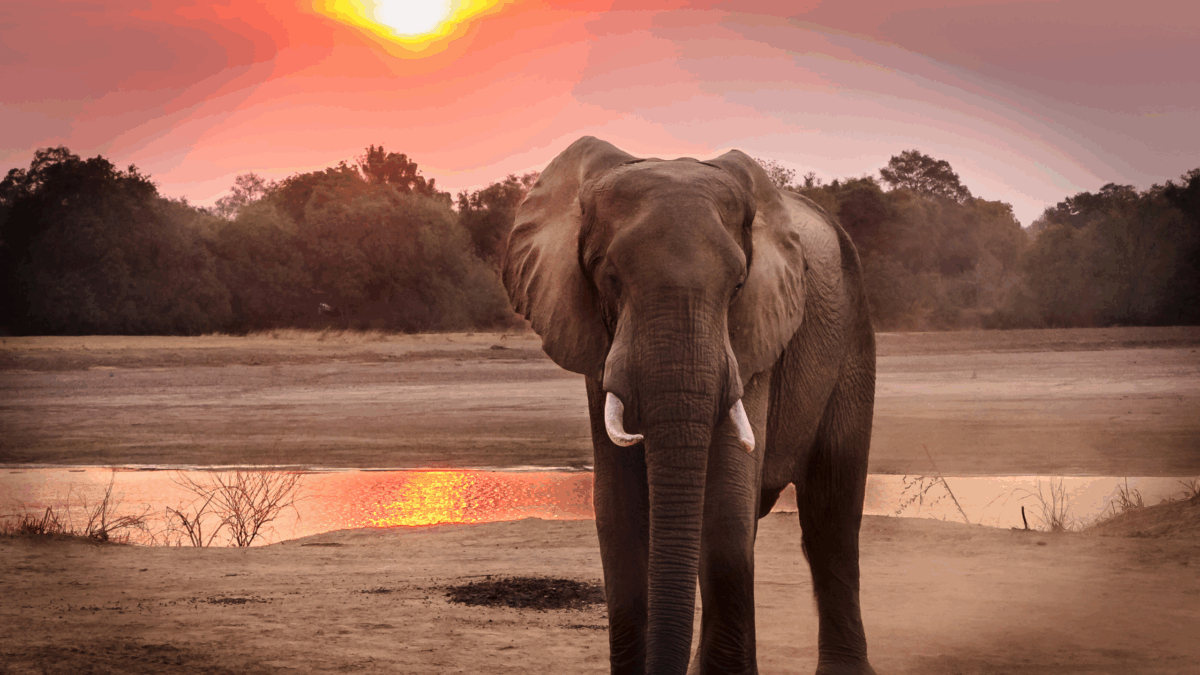
This is where the conversation widens beyond individual animals or pets. Anna describes working with wildlife (elephants, whales, seals) where behavioral “problems” were actually expressions of trauma, fear, or unmet needs. When those needs were acknowledged and addressed, behavior changed.

Not because the animals were controlled but because they were understood.

Listening becomes a regulatory act:

  • Fear decreases when safety is communicated
  • Stress responses soften when trust is restored
  • Cooperation becomes possible when agency is respected

This applies not just to animals in captivity or conservation settings, but to all living systems. When communication breaks down, dysregulation follows. When communication is restored, balance begins to return.

Animals as sentient partners, not background characters

One of the most confronting points Anna makes is this: when animal communication “works,” humans are forced to acknowledge something uncomfortable.

Animals are fully sentient beings capable of choice, understanding, and cooperation.

This challenges long-held hierarchies where animals are seen as instinct-driven, lesser, or expendable. It also challenges how humans relate to the natural world as something to manage, extract from, or dominate.

Interestingly, Anna notes that despite profound harm caused by humans like poaching, captivity, and habitat destruction, animals often respond with compassion rather than anger. They sense human disconnection and, in many cases, respond with patience.

That compassion doesn’t excuse harm. But it does point toward a deeper truth: animals are not just reacting to us, they are responding to us.

Presence is the doorway

A recurring theme in the episode is that communication only happens when humans get out of their own way. Agenda, performance, skepticism, and distraction all interfere. Animals respond to integrity, calm, and genuine curiosity. They read energy before words. Trust matters on both sides.

This is why Anna emphasizes that learning animal communication isn’t about acquiring a skill. It’s about removing the noise that blocks what’s already there. Presence isn’t passive. Presence is active participation in relationship.

A quieter, more connected way forward

This episode doesn’t argue that animal communication will “save the world.” It suggests something more grounded and more realistic.

A regulated world begins with regulated relationships.

Listening to animals won’t fix everything. But it changes how we move through the world. It invites humility. It restores reciprocity. It reminds us that we are not separate from the systems we are trying to heal.

This is the space my work supports: helping people slow down enough to hear what their animals are already communicating, and to respond with clarity, respect, and care.

Not to become something extraordinary. But to remember how to be in relationship again. Oftentimes, the most powerful shifts come from listening better. 
Categories
Animal Energy

How to Show Gratitude for the Animals Who Support Us

Gratitude is more than saying “thank you.” It’s a practice of awareness; a way of recognizing the unseen gifts that fill our days. And when it comes to our animals, those gifts are endless. They offer presence without judgment, healing without expectation, and love without conditions. This November, let’s turn our gratitude toward the animals who make us better humans.

The Power of Awareness

Our pets and animal companions don’t seek praise for what they do. Yet they continuously help us regulate, heal, and reconnect with ourselves. Your dog may comfort you when your energy drops. Your cat may nudge you to rest when you’re pushing too hard. Your horse may refuse to move forward until you center yourself, which is a gentle reminder to lead with intention, not force.

By becoming aware of how our animals support us, we open a doorway to deeper understanding. Awareness transforms the ordinary into sacred. The walk, the grooming, and the quiet evening on the couch, all become shared acts of presence.

Mindfulness and Stillness with Animals

Gratitude begins with stillness. Animals live naturally in the present moment, responding only to what is, not what was or might be. When we sit quietly with them, without distraction or agenda, we begin to match their rhythm.

Try this:
Find a quiet spot with your animal. Place a hand near their heart or gently on their fur. Take a slow breath in, and feel their body rise. Breathe out, and notice how your exhale aligns with theirs. Stay like this for a few moments. You may feel your mind slow, your body relax, and your energy synchronize.

That’s connection. That’s gratitude in motion.

Expressing Gratitude in Everyday Life

Gratitude doesn’t have to be elaborate as it’s about intention. Here are a few simple ways to honor your animal this month:

  • Speak your appreciation. Say out loud what you love about them. Animals understand tone and emotion more than words.
  • Create calm time together. Sit quietly, brush their coat, or enjoy a walk without multitasking.
  • Notice their cues. When your animal seeks attention or space, honor that as communication.
  • Write it down. Keep a short “gratitude log” about how your animal supported you that day.

The Ripple Effect of Gratitude

When you express gratitude to your animal, you’re not only deepening your bond but you’re also aligning your energy with appreciation, which your animal feels. This creates a loop of mutual calm and trust. As you thank them, they relax and thrive. As they relax, so do you.

A Closing Reflection

Gratitude isn’t something you give; it’s something you share. Every moment of awareness, every breath in sync, every gentle touch says, I see you. I appreciate you.

As you move through November, take time each day to honor your animal’s role in your life. Not just what they do, but who they are. They are companions, teachers, and healers walking beside us on this journey of connection.

In their stillness, we learn presence. In their loyalty, we learn love. In their eyes, we see ourselves — whole, connected, and grateful.

Categories
Animal Energy

Ghosts or Gut Feelings? Your Pet’s Sixth Sense

Halloween is the season for ghost stories, creaky houses, and things that go thump in the night. And if you live with animals, you’ve probably noticed your pet sometimes acts like they’re seeing something invisible. They may be staring into corners, growling at empty rooms, or pacing restlessly for no obvious reason.

It’s easy to wonder: are they sensing ghosts? Or is something else going on?

Science, intuition, and animal communication all point to the same answer: your pet isn’t haunted. They’re tuned in.

The “Sixth Sense” Pets Already Have

Animals experience the world in ways we don’t. Dogs can smell cancer, cats can hear frequencies far beyond our range, and horses can feel the tiniest shift in a rider’s body. What looks like “paranormal” behavior is often their natural senses — or their telepathic connection — picking up on things long before we do.

  • Energy shifts: Pets are sensitive to changes in emotion, atmosphere, and intention. If tension rises in the home, they may act uneasy.
  • Unspoken thoughts: Animal communicators know that pets often respond to the images and feelings their humans are unconsciously broadcasting.
  • Environmental changes: Subtle sounds, vibrations, or smells might alert your pet to something you can’t perceive — yet.

Why Pets Stare Into Empty Rooms

It’s a classic spooky scene: your dog growls at a dark hallway, or your cat stares into space with unblinking eyes. Instead of assuming spirits are present, consider other possibilities.

  • Dogs may pick up on faint sounds outside or catch a whiff of a neighbor walking by.
  • Cats are experts in subtle movements. So much that they may be tracking dust motes or tiny insects you can’t see.
  • Horses can sense shifts in energy or emotion, so if you’re nervous, they’ll mirror it even if the “danger” is only in your mind.

Animal communication helps explain the rest: pets often show us what they’re feeling through body language and telepathic nudges. When they act unsettled, they may be trying to tell you that something doesn’t feel right, even if it isn’t supernatural.

Spooky but Logical: The Science Behind It

Research into animal telepathy and perception suggests that our pets are not just reacting to noises or smells. They’re also highly attuned to our mental states and intentions. Biologist Rupert Sheldrake documented countless cases of dogs anticipating their owner’s arrival at irregular times, long before footsteps or cars could be heard. Horses have been shown to synchronize their heart rates with riders, hinting at an energetic link.

What feels like a “haunting” is often your pet reflecting the unseen world of energy and emotion around them.

How to Respond When Your Pet Seems Spooked

Instead of brushing it off or assuming the worst, try tuning in yourself:

  1. Pause and breathe. Calm yourself first. Your pet may be picking up on your nerves.
  2. Ask silently. Send a mental question like, “What’s wrong?” and trust the first image, word, or feeling that comes to you.
  3. Validate the animals perception. Whether you believe their response was appropriate or not, the perception was real to the animal even if you did not feel, hear or see the same thing that they did.
  4. Observe carefully. Look for patterns. Do they always react at a certain time of day, or in a certain spot?
  5. Reassure them. Sometimes all your pet needs is to know you’ve noticed.

The Real Magic

When we hear the word paranormal, our minds often leap to ghosts, haunted houses, or things that defy explanation. But what if “paranormal” simply means “beyond what’s normal for us”? From that perspective, your pet’s so-called sixth sense isn’t spooky at all; it’s a natural extension of their heightened perception. Animals experience the world through layers of sound, scent, vibration, and energy that we can’t begin to access.

This extraordinary awareness may even extend to sensing and communicating with other forms of consciousness that remain invisible to us. In my own work, I often communicate with animals who are no longer living in their physical bodies, and they sometimes tell me about visiting their animal friends still at home. To them, these connections are natural, not supernatural.

So the next time your pet stares into the shadows, don’t be afraid. Lean in.  Perhaps they have seen a spider or just maybe they are communicating with an energy only they can sense. Either way, they are showing you how much more there is to this world than meets the eye.

Categories
Animal Energy

The Science of Animal Telepathy

For years, telepathy has been dismissed as something “woo-woo” or supernatural. But new research is changing that. Studies with nonverbal individuals, especially people with autism, are showing what many animal communicators have always known: telepathy is a natural, scientifically documented form of communication. And the implications for how we connect with our pets are profound.

Telepathy in Nonverbal People

Psychiatrist and neuroscientist Dr. Diane Powell has studied nonverbal autistic children and found compelling evidence that they can communicate telepathically. In controlled experiments, children who could not speak were able to identify words, numbers, and images known only to others in the room. These results suggest that communication can take place mind-to-mind, without spoken words or gestures.

Parents often describe the same phenomenon in everyday life: knowing instantly when their child needs help, or “hearing” an unspoken request in their minds. These experiences are no longer brushed aside as coincidences. Science is beginning to validate what families have felt for years — that thoughts, images, and emotions can be shared directly.

The Link to Animal Communication

If nonverbal people can use telepathy, it’s not a stretch to understand how animals do the same and how animal communicators can communicate with them. After all, animals don’t use spoken language. They rely on energy, body signals, and intuitive connection. Telepathy is simply another channel they use to share what they feel and need.

What Is Animal Telepathy?

Animal telepathy is the direct exchange of images, feelings, or sensations between people and animals. Unlike training cues or body language, telepathy requires no visible signals. It’s a natural, silent language that bypasses words entirely.

While once thought of as “woo-woo,” this form of communication is being validated through both research and real-world studies.

Scientific Research Supporting Animal Telepathy

Dogs and Anticipation

Controlled studies have documented that dogs often wait by windows or doors long before their owners arrive home — even when the return time is shifted to rule out routine or external cues. In Rupert Sheldrake’s experiments, these anticipatory behaviors were observed too frequently to dismiss as coincidence.

Horses and Physiological Connection

Equine research has found that horses and riders can synchronize heart rates during shared activity, particularly in stressful situations. This synchronization suggests a channel of direct awareness, with riders frequently reporting that their horses respond to subtle emotional states or unspoken intentions (Gehrke, Baldwin, & Schiltz, 2011).

Cats and Silent Awareness

Though less studied in formal laboratory settings, countless cat owners describe strikingly consistent behaviors: cats hide well before a trip to the veterinarian, or appear suddenly when their owner simply thinks about feeding them. Such anecdotes, collected in Sheldrake’s survey research on animal telepathy, highlight a pattern of felines responding to their humans’ thoughts rather than observable cues.

A Universal Language Without Words

Across species, the evidence points in the same direction: animals are perceiving more than spoken words or visible signals. Whether it’s a dog anticipating an arrival, a horse mirroring a rider’s inner state, or a cat vanishing before the carrier comes out, these behaviors suggest a silent yet natural form of communication that science is beginning to explore.

Why Animal Telepathy Matters

Research shows us that telepathy is not paranormal; it’s natural. Recognizing this truth changes how we relate to our pets:

  • Early health detection: Animals may signal discomfort or illness telepathically before symptoms are obvious.
  • Emotional support: Pets often mirror their humans’ emotional state, sensing stress, sadness, or joy without a word being spoken.
  • Training and performance: Riders, trainers, and handlers who learn to pair telepathic connection with traditional training often see greater trust and cooperation.
  • Deeper bonds: Listening to what your animal “says” beyond words builds a stronger, more compassionate partnership.

How You Can Tune In

You don’t have to be a professional communicator to start noticing telepathic exchanges with your pets. Try these simple steps:

  1. Quiet the noise. Take a few deep breaths and focus your attention on your animal.
    Ask, then listen. Form a clear question in your mind, then notice any image, feeling, or sensation that arises.
  2. Trust your impressions. The first thought is often the correct one — before your logical brain talks you out of it.
  3. Validate with action. If you sense your dog wants water or your horse is uncomfortable, respond and watch how they react.

A Natural Language Between Species

Science is catching up to what animal lovers have always known: our pets communicate in ways that transcend speech. From controlled studies on dogs to research in equine physiology, the evidence is mounting that telepathy is part of the bond between humans and animals.

It’s not magic. It’s not supernatural. It’s simply another way of connecting — one that strengthens our relationships, improves care, and honors the silent wisdom of the animals we love.

Categories
Animal Energy

Your Animal is Trying to Help You Heal. Are You Listening?

In the quiet moments, when your pet gazes at you with soft eyes or nudges you gently after a long day, there’s often more happening beneath the surface than simple affection. As an animal communicator, I’ve learned time and time again that animals are not just companions, they’re deeply attuned healers, mirroring our inner worlds in powerful, often surprising ways.

Animals as Spiritual Mirrors

Animals mirror our inner world in a way that is subtle but profound. They pick up on shifts in our emotional energy, sense the heaviness we might be pushing down, and respond with unconditional love. They become our silent supporters, reflecting patterns that we may not have noticed within ourselves.

This mirroring isn’t meant to alarm; it’s meant to awaken. Sometimes they highlight stress or sadness, other times it’s physical pain or imbalance. Either way, it’s always done with the purest intention: to help us return to balance.

Physical Symptoms: A Deeper Message

One of the most remarkable and often overlooked ways animals support us is through physical manifestations. I’ve communicated with countless animals who were showing symptoms that directly correlated with a human’s condition—a lameness or muscle tension that corresponds to its owner’s hip pain, digestive troubles mirroring their guardian’s gut issues, or even thyroid concerns paralleling hormonal imbalances.

It’s not that animals “catch” our illnesses, but rather, their bodies often reflect what’s energetically happening in the home. They are incredibly sensitive to our emotional and physical frequencies, and sometimes their own health will begin to show signs that point back to us.

Emotional Healing in Action

Animals also support our emotional healing on a daily basis. They can feel the vibrations of our nervous system when we’re anxious, disconnected, or heavy with unprocessed emotion. Their responses are intuitive: a dog lying across your chest during a panic attack, or a cat purring while curled up against you when grief strikes.

That purr, by the way, isn’t just comforting. It vibrates at a frequency scientifically known to promote healing in bones and tissues. Whether it’s a lick, a paw, a nuzzle, or simply their presence, animals regulate us in a way that many humans don’t fully realize until it’s gone.

Intuitive Health Scanners

In addition to sensing our energy, animals can detect physical conditions using their heightened senses. Many dogs have been known to alert their humans to cancers, seizures, blood sugar changes, or infections, often before a doctor can. They don’t need a medical degree; they just need to be near you. I’ve actually experienced a dog showing me a large, black spot overlying the image of his owner’s chest during a body scan session, and his owner was in the process of having a heart attack.

This level of awareness is both beautiful and humbling. They’re tuned in to our bodies and our well-being in ways that science is only beginning to understand.

The Importance of Gentle Communication

When animals reflect back something deep or difficult, I approach it with great care. If an animal is mirroring a human’s health or emotional challenge, it’s essential to communicate that reflection with compassion and sensitivity. These are sacred messages, not diagnoses. The goal is never to alarm, but to open a door to awareness, to curiosity, and to healing.

Are You Paying Attention?

If your animal is behaving differently, showing new symptoms, or becoming more attached or distant, ask yourself: What might they be showing me?

This isn’t about blame, it’s about connection. Your animal isn’t just reacting to you; they’re partnering with you. They’re walking beside you, often absorbing what they can so you don’t have to carry it alone.

Are you listening?

Because they are. Always.

Categories
Animal Energy

How Summer Affects Your Animal’s Energy

As an animal communicator, one of the patterns I see every year, without fail, is that many animals become more energetically sensitive and emotionally unsettled during the summer months. And it’s not just the heat.

In my recent blog, How Animals Are Raising the Vibration of the World,” I shared how animals play a vital role in our energetic ecosystems. But in order for them to hold that space for us, we need to make sure they’re being supported—especially during times of seasonal transition.

Summer brings a perfect storm of environmental, emotional, and routine-based shifts that can deeply affect our pets’ well-being. While some animals may love basking in the sun or tagging along on road trips, others begin to show signs of stress, overstimulation, or imbalance—and often, their humans don’t realize why.

If your dog, cat, or horse seems a little “off” right now, you’re not alone. Below are some of the most common summer sensitivities and how you can help your pet feel more grounded, regulated, and safe.

1. Heat and Hydration

Summer heat doesn’t just affect the body—it amplifies energy. For animals who are already sensitive, anxious, or unsettled, rising temperatures can heighten their discomfort.

Watch for signs like:

  • Panting, pacing, or avoiding usual resting spots
  • Withdrawal to cool, dark areas
  • Irritability or lethargy, especially in horses

How to help:

  • Keep fresh, cool water available at all times
  • Avoid walks, rides, or turnout during peak heat hours
  • Use cooling tools: fans, damp cloths, shaded areas, or cooling mats
  • Add a splash of low-sodium bone broth or coconut water (vet-approved) to boost hydration

Know the signs of heatstroke:

  • Excessive panting
  • Rapid heartbeat
  • Weakness or vomiting
  • Bright red gums or glassy eyes
  • Collapse or confusion

If you suspect heatstroke, move your pet to a shaded area, apply cool (not cold) water to paws and belly, and seek immediate veterinary help.

2. Increased Stimulation from Crowds and Noise

Summer often means more outdoor activity: cookouts, construction, fireworks, lawn equipment, and general hustle. While some pets can handle the noise and energy, others become overstimulated quickly.

You may notice changes in your pet’s sleep, eating habits, or overall demeanor—sometimes mistaken for disobedience or illness, but actually a response to energetic overload.

How to help:

  • Set up a quiet retreat zone indoors with a cozy bed and minimal noise
  • Use calming aids like white noise, soft music, or flower essence sprays
  • Avoid crowded places if your pet is easily overwhelmed
  • After busy days, offer grounding time with brushing, massage, snuggles, or gentle walks

3. Seasonal Allergies… or Something More?

Like humans, pets can suffer from seasonal allergies—especially in early summer when pollen, grasses, and mold spores are high. But not every itch is caused by allergens; some can reflect stress, immune imbalance, or energetic disharmony.

Common signs of allergies:

  • Excessive licking or grooming
  • Itchy ears or paws
  • Sneezing, nasal discharge, or watery eyes
  • Hot spots or recurring rashes

What to do:

If symptoms persist, do an animal communication session for a body scan, and partner with your veterinarian. They can help rule out infections or intolerances, and an animal communicator can help you uncover whether emotional or environmental stressors may also be at play.

4. The Disruption of Routine

One of the most overlooked summer stressors is a change in rhythm. The school year ends, vacations are planned, schedules shift—what was once predictable now feels scattered.

For our animals, this change can feel confusing and even scary. Your dog may follow you more, your cat may hide, or your horse may act out or seem withdrawn. They don’t understand why everything changed—they just feel the shift.

How to help:

  • Keep daily feeding, walking, and rest times as consistent as possible
  • Give pets space and quiet time away from summer chaos
  • If routines must change, help them adjust gradually
  • Ask kids and guests to engage gently and respectfully with your animals

Pet’s Feel What You Feel

Your animal may not know it’s “summer,” but they know when something feels off. They feel your stress, excitement, anxiety, or overwhelm—even if you don’t say a word.

Supporting your animal through summer means tending to both their energetic well-being and their physical needs. With awareness, intention, and consistency, you can help them stay regulated, grounded, and connected—even as the world shifts around them.

Categories
Animal Energy

How Animals Are Raising the Vibration of the World

As an animal communicator, I’ve come to deeply understand that animals—both domestic and wild—aren’t just here with us. They’re here for us. They’re teachers, healers, messengers, and energetic allies walking alongside us, each playing a vital role in raising the vibration of the planet.

Their purpose goes far beyond companionship or ecological balance. Animals are here to shift the frequency of our world—to help us remember how to love more deeply, live more consciously, and reconnect to the natural rhythm of life.

Animals as Vibrational Anchors

Every animal emits a unique energetic signature. A dog’s loyalty, a cat’s calm presence, a horse’s grounded power, a bird’s song, a deer’s stillness—all carry frequency. And that frequency interacts with ours in very real, very tangible ways.

You may have felt this without realizing it: the way your shoulders drop when your cat curls up beside you. The joy that bubbles up when your dog greets you at the door. The way time seems to stand still when you’re watching a wild animal move freely through its habitat.

This isn’t coincidence—it’s energy. And animals are masters of it.

In my work, I’ve witnessed animals intentionally offer comfort to grieving humans, absorb anxiety from stressed caregivers, and energetically hold space for healing during illness or transition. Some do this subtly; others quite obviously. But the message is always the same:

“I am here with you. I feel what you feel. Let’s shift this together.”

The Energy We Share

What many people don’t realize is that the energetic exchange between humans and animals is a two-way street. Our moods, intentions, and energy affect them just as much as theirs affect us.

I’ve connected with animals who’ve taken on their person’s emotional pain, carrying grief, fear, or worry in their own bodies to lighten the human’s load. This may show up as fatigue, behavioral shifts, or even physical symptoms. That’s how deeply devoted they are to the healing process of their people.

And it’s not just our pets. Wild animals respond to the collective energy of the planet, too. When humans are out of sync, when the earth is heavy with fear or unrest, the natural world reflects it. But it also helps recalibrate us. Spending time in nature—sitting with birdsong, walking among trees, watching wild horses—realigns us with the pulse of the earth.

It’s one of the most powerful energetic harmonies we have access to.

Our Role in Our Partnership with Animals

While animals so willingly offer their energy, it’s easy to forget that they also have needs—physical, emotional, and energetic. They are not bottomless wells. They are not here to serve us unconditionally without reciprocity.

They are here to partner with us. That partnership comes with responsibility. To listen. To learn. To offer care in return. Especially now, when so many people are struggling.

Lately, I’ve been hearing from more animals whose humans are worried—about money, food, vet bills, housing. Pets are picking up on that stress. Horses are feeling the pressure in backyards where hay deliveries have slowed. Dogs are waiting longer for walks as owners work longer hours. Cats are wondering why the routines they knew have changed.

This isn’t about guilt—it’s about awareness. Many people are doing their very best in challenging times. But as members of a shared, energetic community, this is our opportunity to rise—not just vibrationally, but practically.

Love in Action

If you’ve ever said, “I just knew something was off with their animal,” trust that. Your sensitivity is a gift. When energy feels heavy or something in your gut says a neighbor or friend might be struggling, you’re likely picking up on a truth that hasn’t yet been spoken.

This is where we get to step in—not with judgment, but with kindness. With a bag of pet food. An offer to walk a dog. A conversation at the fence asking if the horses have what they need. A shared link to a community resource. A moment of compassion.

These small gestures are huge in the eyes of an animal who senses relief in their person’s heart. You don’t have to do everything. Just something. Because animals are raising the vibration of the world, yes. But we are the ones who must keep that vibration rooted in action.

In my next blog, I’ll share ways to recognize when a neighbor or friend might need help caring for their animals—and how to offer that support gracefully and meaningfully. Until then, may you walk gently with all creatures, knowing that every interaction is an energetic thread in the great tapestry of healing.

Categories
Animal Energy Cats Dogs Horses

In Times of Uncertainty, Our Pets Feel It Too: How to Support Each Other Through Stress and Change

In a world where headlines change by the hour, and financial tensions loom, many of us are feeling the weight of uncertainty. Whether it’s job security, global unrest, or the shift back to office life, our stress levels are rising—and our pets are noticing. Animals are deeply intuitive beings. They pick up on our energy, our mood, and even the things we don’t say. In times like these, their behavior may change in subtle or not-so-subtle ways. But here’s the beautiful truth: the bond we share with them is a two-way street. Just as they feel our stress, they also have the power to help us heal.

They Know When Something’s Off

You may have noticed your dog acting more clingy lately, or your horse seeming uneasy without an obvious trigger. Maybe your usually independent cat has become more vocal. These behavioral shifts could be their response to the energy you’re carrying. Our pets don’t need to understand the details of our stress to feel its presence. They sense the emotional climate and mirror it back to us.

Back to the Office, Back to Anxiety

As more people transition away from working from home, our pets are adjusting again. Dogs who got used to daily companionship may now face long hours alone. Horses who had their humans around more frequently might feel the change in routine. This disruption can lead to anxiety, restlessness, or even depression in animals.

Now is the time to rebuild a routine with them in mind:

  • Schedule quality time before or after work.
  • Use calming aids, like diffusers or calming music.
  • Offer enrichment toys or longer walks to reduce stress.

Let Them Help You Heal

Animals have an incredible ability to ground us. Just sitting beside your pet, taking slow breaths, and being present can regulate your nervous system. Touch—stroking fur or brushing a mane—releases oxytocin, the “love hormone,” in both of you.

Let this be your reminder: you don’t need to have all the answers. You just need to show up. For yourself, and for them.

Uplifting Energy Together

 Right now many of us are feeling overwhelmed or filled with fear and these feelings need an outlet. Here are a few ways you and your pet can shift energy together:

  • Get outside. Nature regulates energy for both humans and animals. A walk or trail ride can be deeply therapeutic.
  • Create a calming space. Designate a peaceful area in your home where you can decompress together.
  • Practice gratitude. Every day, take a moment to thank your animal for their love. Speak it out loud or simply feel it deep in your being—they understand more than we think.

In a Time of Scarcity, Choose Connection

If you’re feeling the strain—whether it’s financial stress, concerns about pet care, or job uncertainty—you are not alone. That’s why we created a free download for dog, cat, and horse owners, filled with resources and ideas to help you navigate these challenges with connection and compassion. Local pet food banks, community groups, and kindhearted veterinarians are out there and ready to help. 

Hope Is Contagious—Let’s Spread It

These may be hard times, but they’re not hopeless. Your pet doesn’t need perfection—they just need your presence. Animal communication can be a powerful tool in deepening that connection, helping you understand what your pet is feeling and needing. In tuning in to them, you not only support their well-being—you may also discover the clarity and strength to support your own. Compassion flows both ways.

Categories
Animal Energy

Energy Shifts in Spring

Spring is a remarkable season of renewal and transformation, not only for nature but also for our beloved animal companions. As the earth awakens from its winter slumber, the energy of spring permeates the air, stirring the spirits of all living beings. Just as early plants emerge towards the sun’s warmth, animals also respond to the call of nature’s eternal cycle. Hormone levels surge, urging animals to breed, reproduce, and seek out nourishment after the dormant winter months.

As an animal communicator, I’ve witnessed firsthand the profound energy shifts that occur during this time of growth and change. These shifts can sometimes be uncomfortable and it helps to be understanding and supportive rather than trying to shut down or manage this naturally changing flow. Let’s explore how these seasonal transitions affect our animal friends and how we can support them through this natural process.

Recognizing the Signs in Our Pets

Even our domestic companions, though far removed from their wild ancestors, are attuned to the rhythm of Mother Earth. We may observe these shifts manifested in various ways: abundant shedding of heavy fur, increased energy levels, and an urge to explore their surroundings in search of mates or new adventures. For horse owners, the chore of shedding out the dirty, dry winter coat to reveal the glossy new coat is a familiar spring ritual, accompanied by the fiery behavior of mares entering estrus.

Supporting Our Animal Companion’s Energy Shifts

As caretakers, it’s essential to recognize and support our pets through these natural energy shifts. Rather than suppressing or managing their changing behaviors, we can provide healthy outlets for their increased energy. Whether it’s through increased playtime, outdoor adventures, or specialized activities tailored to their needs, we can help them channel their energy positively. This will help prevent continual boredom and destruction at home.

Dietary Adjustments

With the surge in activity levels, our pets may require adjustments to their diets to meet their growing needs. Providing nutrient-rich foods and supplements can support their overall health and vitality during this time of increased energy expenditure. Gestating animals, in particular, may benefit from additional calories and protein to support the developing fetus.

Managing Reproductive Urges

The urge to mate and reproduce is a powerful instinct, especially during the spring months. While we may intervene to prevent unplanned litters, it’s essential to be mindful of our pets’ natural instincts and behaviors. Safely containing them indoors or ensuring secure enclosures can prevent unwanted escapades and potential mating encounters.

Grooming and Comfort

Spring brings about changes in grooming needs as animals shed their winter coats in preparation for the warmer months ahead. Regular grooming sessions not only help to remove loose fur and prevent skin irritation but also provide an opportunity to bond with our pets and assess their overall health.

Embracing Change with Patience

As spring unfolds, we must embrace the inevitable changes with patience and understanding. By tuning into our animal companions’ needs and supporting them through this time of transition, we can cultivate a deeper connection and appreciation for the natural rhythms of life.

In conclusion, spring energy shifts offer an opportunity for growth, renewal, and connection with our animal companions. By recognizing and embracing these changes, we can foster a harmonious relationship with nature and celebrate the joy of new beginnings together.

Categories
Animal Energy Animal Health

Understanding Energy Healing for Pets

In recent years, there has been a growing interest in alternative therapies for pets, with energy healing emerging as a powerful complement to traditional veterinary care. From ancient practices like Reiki to modern techniques such as laser therapy, pet owners are increasingly turning to these modalities to enhance the health and vitality of their animal companions.

Types of Energy Healing for Pets

Energy healing encompasses a variety of techniques, each with its own unique approach to restoring balance and harmony within the body. Some of the most popular methods include:

  • Reiki
  • Acupuncture and Acupressure
  • Therapeutic Touch
  • Tellington-Touch
  • Polarity Therapy
  • Shamanic Healing
  • Homeopathy
  • Laser Therapy
  • Electromagnetic Therapy

Benefits of Energy Healing for Pets

Studies have shown that certain energy healing techniques, such as Reiki, can reduce stress and promote healing in humans and animals. Research into the benefits of Reiki specifically for pets is ongoing, with promising results indicating improvements in overall well-being and reduced anxiety and pain symptoms. Read this article for more information on the science behind Reiki for pets.

Understanding Energy and Vitality

Energy healing operates on the principle that not only thoughts and emotions but also health and vitality have vibrational frequencies. In Chinese medicine, illness is often attributed to stagnant energy or a lack of vitality. Our companion animals, with their innate sensitivity to energetic flows, can provide valuable insights into their own health through intuitive scans.

During these scans, practitioners may observe areas of concern as deviations in energy flow, indicating potential issues such as inflammation or organ dysfunction. Energy healing techniques can then be applied to rebalance the body’s energy and promote healing.

Exploring Energy Systems

Various energy systems, such as the meridians in Chinese acupuncture or the chakras in Eastern philosophy, provide frameworks for understanding the body’s energetic anatomy. When these energy pathways become blocked or imbalanced, disease can manifest. Energy healing aims to restore harmony within these systems, promoting overall well-being and vitality.

Enhancing Well-being Responsibly

While energy healing can offer numerous benefits for pets, it’s essential to approach it responsibly. These modalities should never replace traditional veterinary care or be used as diagnostic tools. Instead, they can complement veterinary treatment plans when medically appropriate.

Before incorporating energy healing techniques into your pet’s care regimen, consult with your veterinarian to ensure they align with your pet’s specific needs and conditions. You can also visit the American Holistic Veterinary Medical Association’s website to search for holistic practitioners. Together, you can create a holistic approach to pet health that prioritizes both traditional and alternative therapies.

Energy healing for pets offers a holistic approach to well-being, addressing not only physical ailments but also emotional and energetic imbalances. By understanding and harnessing the body’s natural energy systems, pet owners can enhance their companions’ overall health and vitality. Remember, the key is to work collaboratively with your veterinarian to create a comprehensive care plan that meets your pet’s individual needs and promotes their long-term well-being.