Categories
Animal Health

How An Animal Communicator Can Assist Your Aging Animal

Aging is a natural process for all living organisms. Sadly, as humans and pet owners, we not only have to go through the aging process ourselves, but we also have to see our aging animals go through it. As with humans, this can be a joyful and challenging experience, all at the same time. While the aging process is very different for us and our furry friends, there are a lot of similarities. 

Pets Get Diseases, Too

According to VetSource, there are 7 common health problems found in aging animals, which also happen to be found in aging humans. They are:

  • Kidney Issues
  • Heart Problems
  • Cognitive Dysfunction
  • Arthritis or Joint Problems
  • Dental Disease
  • Lumps and Bumps
  • Loss of Vision and Hearing

As stated in our most recent blog, The Many Ways an Animal Communicator Can Help Your Veterinarian, life-threatening and nonlife-threatening health problems should always be addressed by a veterinarian, and an Animal Communicator can provide complimentary assistance.

Using An Animal Communicator Through the Disease Process

Pet caretakers can use animal communication to deepen their understanding and relationship with the pet who has been diagnosed with a disease. For instance, I’ve worked with a senior dog who, during a consultation,  reported a spot on his lung that didn’t feel right. At first, he described it as a “flat feeling spot”. At our next session, the feeling had changed to “an area that doesn’t expand easily when I breathe”.  A vet exam revealed a growth in that lobe of his lung. As the family, vet, and dog progressed through medical treatment, animal communication sessions helped to monitor his pain levels, difficulty breathing, and his personal experience of the disease progression. At each session, the dog was able to express any changes he felt as a result of medication and dietary adjustments. Working together as a team has helped this family to navigate a difficult time with less stress and worry. They have been able to fine-tune his treatments and he has survived more than 10 months longer than his original prognosis.

It’s best to check in with pets regularly using animal communication to observe changes or symptoms, especially when disease is present. Many health conditions such as heart disease and diabetes can reach a life-threatening level before a pet exhibits visible signs. Animals are often able to describe physical sensations such as difficulty breathing or irregular heartbeat which can alert you to seek medical care before the situation becomes critical. In situations like these, an animal communicator can help pet owners manage the disease and prolong their pet’s life.

If you’re considering using an animal communicator and your animal has already been diagnosed with a disease, it’s best not to share the diagnosis details with the animal communicator prior to your consultation so that they can feel what is reported from the animal first and not have perceptions skewed by another perspective. 

Using An Animal Communicator Through the End-of-Life Process

As you know, the end-of-life process is often accompanied by disease. As a pet’s health declines there are simple things that the pet can share with you to better help you manage their physical condition and surroundings to support them during the aging process. For example, a pet may look sad and you may think it’s unhappy. When in reality, he simply isn’t as energized in his old age and is just tired. When communicating with your animal, they may report that they are feeling dehydrated and don’t have enough energy to get to the bowl. Therefore, you can just move the bowl closer to them to make the effort easier.

Knowing what an aging animal wants can really make a difference in its final days. I have worked with a senior dog who is blind. Since he is blind, his sense of smell gives him great joy despite not being able to walk very well due to his weak legs. To improve his quality of life, the owners pick him up and take him to the park so he can smell the lake, the dirt, and the other animals that have been there. This is the best day ever for him but they wouldn’t have known how to give him joy in his final days had they not worked with a communicator.

Additionally, when a pet is nearing the end of its life, palliative care is often put in place to maintain a level of comfort and quality of life just as it would for a human. The animal communicator can provide information that the veterinarian can use to help them transition more comfortably.

No matter if your pet is just aging or aging with a disease present, their level of comfort and well-being are critical so do what you can to make their last days, their best days!

Categories
Animal Communicator Partnerships Animal Health

The Many Ways an Animal Communicator Can Help Your Veterinarian

Have you ever had a sick pet that you’ve taken to the veterinarian and after dozens of tests and thousands of dollars, there’s finally an answer to the change in their behavior? If you have, you know how frustrating this can be. If you haven’t, I hope to help you prevent having this experience.

As pet owners, our pet’s health, well-being, and safety are of the utmost importance to us. Considering this, it can be disconcerting at times trying to determine what exactly is going on inside of them – if only they could talk, right? Well, they can! Through telepathic communication, we have the ability to ask them how they are feeling, what they are feeling, and where they feel it. Having the animal communicate this information rather than making assumptions, is so much better for the animal, the owner, and the veterinarian as it alleviates guesswork. When it comes to your pet’s health, combining the services of an Animal Communicator with a veterinarian can lead to less testing and diagnostics, saving money and time and resulting in a quicker diagnosis.

Assisting Your Veterinarian

At any age, behaviors and physical changes can happen and we don’t always know the cause of these changes. This can cause us, humans, to be stressed, but it can also cause heightened stress levels in our pets, which in turn could exacerbate the issues going on, making it more difficult to determine the root issue. 

Even when the issue is not presenting itself as severe, when something changes in our pets, our first instinct is to take them to the veterinarian. This can be costly and require multiple visits and tests. Therefore, when you observe initial changes, scheduling a personal consultation with an Animal Communicator can equip you with more information to help your veterinarian focus his tests and diagnostics more effectively.

When we humans go to the doctor, the doctor interviews us and we are able to express our specific needs and feelings so the doctor can then provide focused treatment based on what we say. For instance, if you’ve noticed that your pet is not eating as much as normal and the pet is able to express that there is a tooth that is bothering them. Chances are that I can narrow down the area of where that tooth is; upper jaw, lower jaw, left side, etc. With this information, you can go to your veterinarian and tell them more specifically where to look for the issue. An Animal Communicator fills this gap so that your veterinarian can begin by evaluating the area mentioned and remedy that problem more quickly without unnecessary costs and tests.

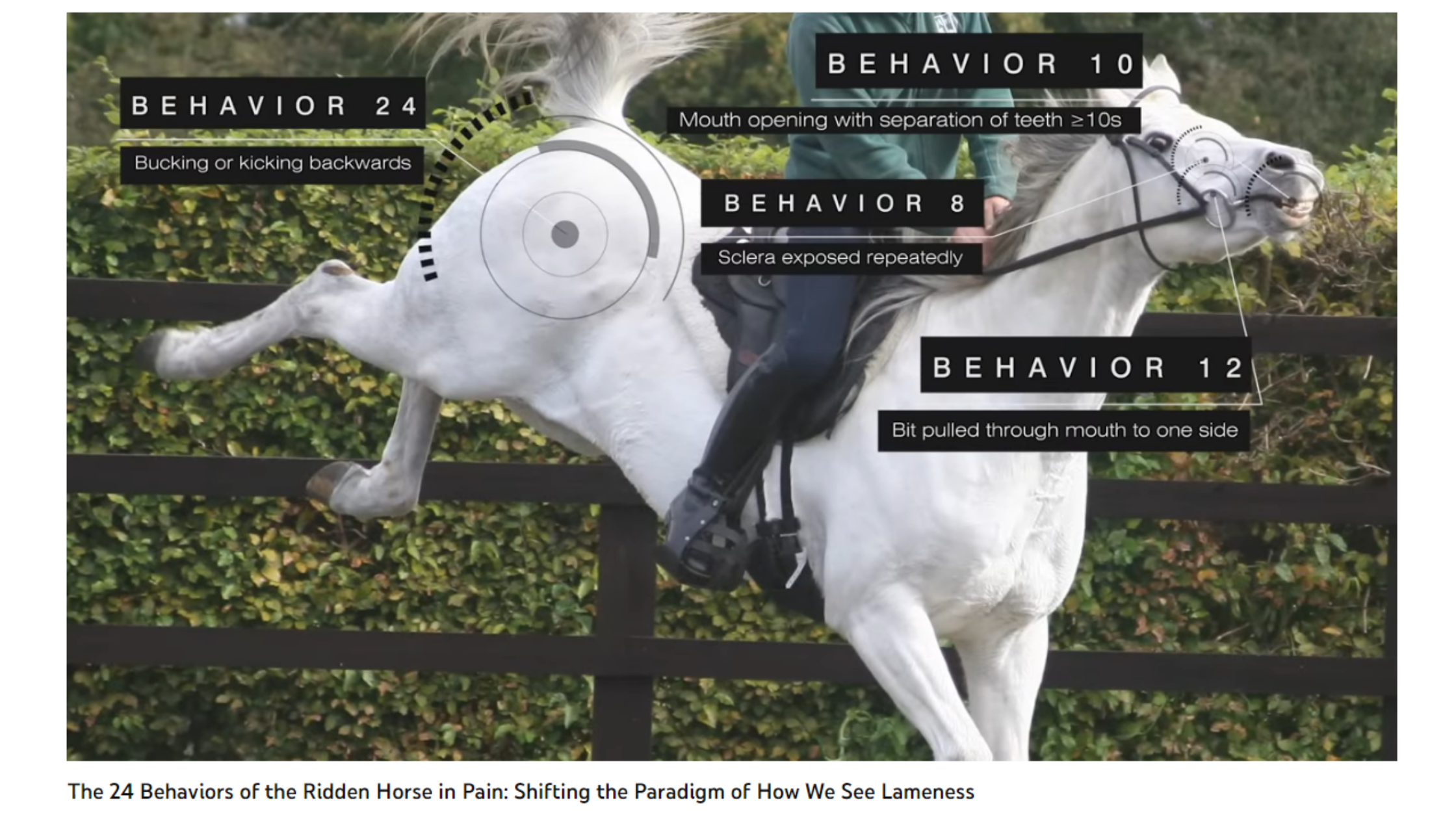
Another example is a horse owner who reports that there are changes in their horse’s behavior and they think it may be lame. A veterinarian would have to evaluate all legs from top to bottom with a physical exam or radiographs and they may just give them painkillers to solve the problem. When working with an Animal Communicator, the horse may tell them that it has pain in the left, front leg at the knee. Combining the visual veterinarian exam with the feedback directly from the animal can enable the doctor to target diagnostic testing more quickly and accurately. In this example, the veterinarian could begin with radiographs of the knee and visually confirm the issue, saving time and money.

The Importance of Checking In Routinely With Your Pet

By giving your pet the opportunity to express themselves and truly tell you the things that are going on with them, you can broaden and deepen your relationship with your pet. It can allow you opportunities for them to let you know early when an issue arises so that you can get the necessary treatment for them or even prevent an illness. Stay on top of your pet’s wellness by scheduling a conversation with your pet communicator today.

Categories
Animal Communicator Animal Health

Animal Medical Intuitive – The Basics 

As a pet owner, have you ever sat and pondered about your pet? Maybe they’re starting to act out or even withdraw. No matter what their behavior, or lack of, the reason behind what they’re doing could very well be due to a medical problem which is where a medical intuitive could prove to be very helpful. 

Having a pet is one of life’s greatest blessings, but because of the communication barrier, it can become difficult at times. What if you could sit with your pet and ask them questions about their behavior, health, likes, dislikes, or just things that you are curious about? Well, you can!

A medical intuitive is an alternative medicine practitioner, who uses their intuitive abilities to find the cause of a physical or emotional condition through the use of insight rather than conventional medical diagnostics. Other terms for this practice include medical clairvoyant, medical psychic or intuitive counselor. These practitioners do not diagnose or treat medical conditions. They can, however, offer insight from a unique perspective that often adds useful information when used in conjunction with conventional medical diagnostics. It is one tool that can be added to your overall wellness protocol.

What Do Medical Intuitives Do?

Medical intuition focuses on visualization skills and intuitive and innovative scanning to obtain information from the physical body and its energy systems. It is designed to assist health care providers in a cost-effective, targeted approach to a patient’s presenting concerns, and is not meant to serve as a diagnosis of illness or disease. Studies have shown that medical intuitives have strong, subjective accuracy rates in identifying primary and secondary health issues. Additionally,  their services are positively evaluated in the context of an individual’s concerns regarding their health. 

History Of Medical Intuition

Edgar Cayce (1877–1945) was one of the most well-known medical clairvoyants. He was said to be able to discern the health conditions of people, and in many cases, heal them of their affliction. Many of the treatments that he developed are still used today. 

In some cases, medical intuitives have been hired by hospitals, clinics, and medical offices, particularly in California. Some medical intuitives also work with M.D.’s.

How Can An Animal Medical Intuitist Help?

When a human visits a medical professional, they often engage in an extensive intake interview where the doctor can ask in-depth questions about how the patient feels. This interview helps the physician narrow down potential causes and develop the next steps for testing and diagnostics. As many animal owners can attest, veterinary diagnostics can be a very hit-or-miss process, expensive and frustrating. It can be difficult for a vet to focus on the root cause based only on our visual observations. An animal is not able to verbalize his physical sensations such as:

  • “My throat feels raw when I swallow.”
  • “The pain feels sharp in my left upper hip and radiates down my leg.”
  • “I feel a rapid flutter in my chest” 
  • “I feel the pain in my right front hoof. It feels fine at the walk but the pain starts when I canter” 
  • “I feel nauseous and low on energy”

When a horse exhibits lameness it can often be difficult to tell which limb is the cause. Narrowing down the focus onto one limb can save everyone a lot of time and money.

Clients often consult an animal communicator/medical intuitive prior to a non-emergency vet visit to collect information that will help the vet to zero in on the root cause and reduce the number of tests required. By locating sensations during an intuitive scan of the body, an animal communicator can report details of pain location, intensity, and quality. These details help the pet owner and their medical care team to discover symptoms that are not visible to us and to refine the treatment plan.

Regular “check-in” with a communicator can be useful to monitor the well-being of a pet during a course of treatment by asking the pet about pain levels, appetite, and other symptoms.

Pet owners also consult a medical intuitive to help them assess the quality of life of their senior pet as they navigate the challenges of old age.

As an animal communicator and animal medical intuitive, I use a scanning technique to feel what the animal is feeling in his physical body. As an empath, I feel the physical and emotional feelings of the animal in my own body reporting sensations of pain, pressure, headaches, nausea, itching, vision disturbance, hearing loss, dental issues, joy, sadness, lethargy, difficult respiration, etc.
Contacting an animal medical intuitive should never be your first choice in any emergency situation. Always contact your vet or local emergency clinic first. The intuitive work can complement your conventional veterinary care but never replace it.

Categories
Animal Health

Tips for Preventing Animal Dehydration

Has anyone ever told you that you should drink half of your body weight in water to stay hydrated? Did you know that there is a similar methodology for animals, too? According to PetSafe, your pet should have a minimum of 1 ounce of water per pound of body weight each day. Sadly, many of us don’t know exactly how much our pets weigh and hydration is an afterthought. Many pet owners only think about it when their pet is showing signs of dehydration.

What is considered dehydration?

Technically, a pet is dehydrated when more fluid is used or lost than what is taken in, making the body unable to carry out normal functions. For cats and dogs, 80% of their body is made up of water which is essential for circulation, electrolyte balance, digestion, metabolism, organ function, and waste removal. 

Signs of Dehydration

The quickest way to tell if an animal is dehydrated is to pinch loose skin; between its shoulder blades for a dog and on the side of the neck for a horse. If the skin stays put or slowly returns to normal, then the animal is most likely dehydrated. Other signs of dehydration include:

  • Dry Mouth
  • Excessive panting
  • Appetite loss
  • Confusion
  • Depression
  • Lack of coordination
  • Lethargy
  • Red, inflamed gums
  • Respiratory trouble
  • Seizures or collapsing
  • Sunken eyes

What increases dehydration?

No matter what type of animal you have, there are going to be certain things that will increase the chances of dehydration or even make their current state of dehydration more severe. 

  1. Temperature – the hotter the animal is, the more water its body will use.
  2. Activity – increased activity equates to more water being used by the body.
  3. Diarrhea and vomiting – when there are periods of this, an animal is most likely excreting more than they are taking in.
  4. Diabetes – when an animal has diabetes, the kidneys work overtime to filter out the excess sugar. The excess sugar is filtered out, taking along tissue fluid with it which is what causes dehydration.
  5. Fever – this causes water to burn off more quickly.

Tips for Keeping Your Animals Hydrated

Each animal is different. They all have different activity levels and requirements based on their diet and health. 

Cats

Cat’s have a low thirst drive. Senior cats actually live mostly in dehydration. To help keep your cat hydrated:

  • Provide a water fountain with moving water.
  • Use wet food instead of dry.

Dogs 

To help keep your dog hydrated:

  • Make sure your dog always has a bowl, even on walks. Take a look at this portable dog bowl.
  • Put toys in the water bowl.

Horses

To help keep your horse hydrated:

  • Be sure to have a clean water source.
  • Balance electrolytes based on their workload.
  • Put a treat like apple juice in the water.
  • Use their favorite bucket (for example, shallow vs deep).
  • After exercise, put a small serving of grain in a shallow tub with water to encourage drinking.
  • Provide salt in their diet to make them thirsty.

If you find that your animal is still not drinking enough, there could be an underlying issue. Using an animal communicator is a great way to get to the root of the problem. An animal communicator will interpret what your animal is saying so that you can have a better understanding of how they currently feel and can take proper action.