Categories
Animal Communicator Partnerships Animal Health Animal Medical Intuitive

Translating Animal Insights into Veterinary Care: Colby’s Story

Animal communication can do more than help me understand whether a pet is struggling with behavioral, emotional, or physical needs. It can also provide valuable insights that support a truly holistic approach to their well-being. When I share an animal’s insights in a way their family and veterinarian can understand, it creates a partnership where everyone (pet, caregiver, and professional) is working together for the same goal: the animal’s comfort and well-being.

For many families, this process becomes a bridge that gives animals a “voice” in their care and allows veterinarians to pinpoint issues sooner, treat them more effectively, and fine-tune therapies to support quality of life. The story of Colby, a senior dog adopted by Kate and Sam, beautifully illustrates how this process works.

A Lifetime of Care and Compassion

Kate and Sam are a retired couple who have always had canine companions as part of their family. Through the years, as each of their dogs reached the senior stage, they were diligent about providing not only comfort but also longevity through attentive care.

As every dog lover knows, those golden years can bring physical challenges like arthritis, vision impairment, and mobility issues, all of which require special attention. Kate and Sam have always maintained a strong relationship with their primary veterinarian, while also embracing supportive professionals such as a chiropractor, acupuncturist, and me as their animal communicator. They’ve found that this partnership works beautifully to support their companions on every level as they age.

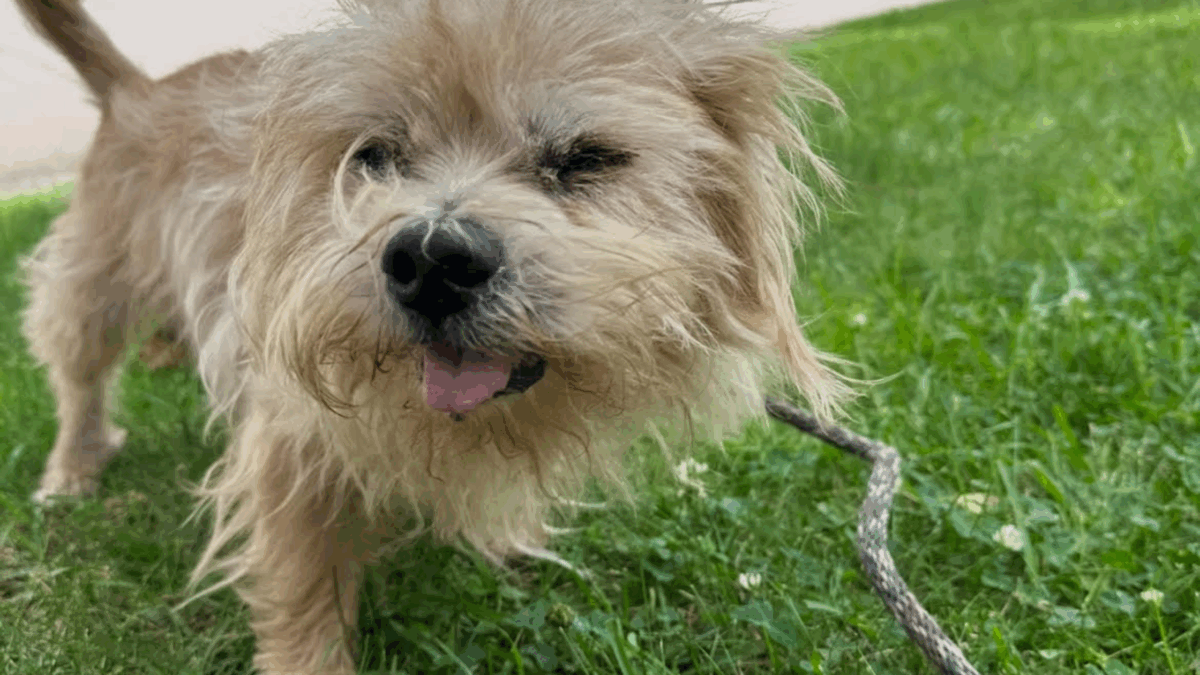
When their household was empty of pets for the first time in years, they made the intentional choice to adopt senior dogs, becoming experts at the kind of care these animals need most. That’s how Colby, a sweet little senior dog, found his way into their home. Relatively healthy despite his advanced years, Colby has gone on to enjoy some of his very best years thanks to Kate and Sam’s thoughtful, team-based approach.

Establishing a Baseline Through Communication

When Colby was first adopted, Kate and Sam contacted me to do a wellness check-in. This initial session gave us a baseline assessment of his overall well-being. I was able to share insights into his personality, his background, and his physical challenges so his family could track changes over time.

From my perspective, I could see right away that Colby had landed in the perfect home for his later years. His people were committed to listening to him and supporting him on every level—physical, emotional, and spiritual.

Over the years, they scheduled intermittent check-ins with me to monitor his well-being. When Colby reported pain, disorientation, or blurred vision, Kate and Sam knew it was time to bring him to their veterinarian for a closer look.

In one session with me, Colby reported low back discomfort, a headache, and diminished vision. I relayed this information to his family, who scheduled a veterinary exam. The vet confirmed two distinct issues: a spinal condition that required medication and a case of uveitis, which explained both the headaches and vision changes.

What struck me most was how clear Colby was in describing his sensations—he gave his people the exact clues they needed to advocate for him, and the veterinary exam validated everything he had shared.

Without Colby’s voice in the process, these issues might have gone undetected until they became much more severe.

Bridging the Gap with Symptom Tracking

Once his conditions were identified, Kate and Sam began using a daily symptom tracking journal. They closely observed changes in Colby’s energy, appetite, comfort during sleep and activity, and his response to medications.

Over time, this journal became invaluable. It allowed them to spot trends such as improvement in appetite and declines in mobility, and to share that information with their veterinarian. The journal provided a fuller picture of Colby’s well-being, making it possible to fine-tune therapies and adjust his care as needed.

From my perspective, the combination of Colby’s input during our sessions and the family’s careful daily notes created a 360-degree view of his health. It gave everyone (the family, the vet, and me) the information we needed to work together.

When New Conditions Arise

Later in his journey, Colby shared with me that he was experiencing great thirst, discomfort in his urinary tract, and nausea. I passed these sensations on to Kate and Sam, who brought him in for a thorough veterinary exam and bloodwork. The vet confirmed kidney disease.

Once again, their tracking journal proved essential. With both my notes and their careful records, the vet had a detailed timeline of Colby’s changes, which made it easier to design an effective treatment plan.

As treatment began, Colby continued to share how he felt. At one point, he described himself as feeling like “an inflated balloon.” His family immediately understood this as a reference to the extra fluids he was receiving twice daily at home. They discussed it with their veterinarian, who agreed and reduced the amount of supportive fluids.

Moments like this remind me why I do this work. Colby’s simple yet vivid words allowed us to adjust his care so he was more comfortable. His voice truly guided the process.

Why Translation Matters

Colby’s story demonstrates the importance of translating animal communication into language that veterinarians can use. Animals do not use words to speak. They share their experiences through sensations, emotions, and images. Their messages often come through metaphors such as:

  • “My vision feels like a foggy window.”
  • “My stomach is rolling like waves.”
  • “I feel pressure in my back like a heavy stone.”

My role is not to diagnose but to interpret these impressions and translate them into descriptions that can guide veterinary professionals. This input can highlight areas of concern, reduce guesswork, and support more individualized treatment plans. It also helps confirm whether therapies are truly improving comfort and well-being.

A Holistic Team for Quality of Life

At 15 years old, Colby will never act like a puppy again. But thanks to the combined efforts of his veterinarian, complementary care providers, and our regular communication sessions, he continues to enjoy life. He still engages with his family, eats well, and spends his days with comfort and connection.

For me, the most powerful part of Colby’s story is knowing his own voice has been included in his care. That voice has helped guide decisions and reassured his family that they are meeting his needs at every stage of aging.

Animal communication is not a replacement for veterinary care. It is a complementary tool that brings the animal’s perspective into the conversation. By translating these insights into information veterinarians can act on, families like Kate and Sam become stronger advocates for their pets.

The result is earlier intervention, more targeted treatments, and most importantly, a better quality of life for the animals we love. When animals are given a seat at the table in their own healthcare, everyone benefits. Colby’s journey is a beautiful reminder of just how powerful this kind of collaboration can be!

Categories
Animal Medical Intuitive

Cultural Perspectives on Medical Intuition: Insights from Around the World

As an animal medical intuitive, I’ve had the privilege of connecting deeply with animals and understanding their health and well-being on a spiritual level. This unique ability to sense and interpret the subtle energies and emotions of animals has led me to explore how different cultures around the world view and practice medical intuition. What I’ve discovered is a rich tapestry of beliefs and practices, each offering valuable insights into the universal language of healing.

Ancient Wisdom: Indigenous Cultures

Indigenous cultures have long understood the interconnectedness of all living beings. In many Native American tribes, animals are seen as spiritual guides and messengers. Shamans and healers, often considered the original medical intuitives, have a profound ability to communicate with animals. They use rituals, ceremonies, and natural remedies to restore balance and health. For example, the Lakota Sioux believe that animals can share their wisdom and healing powers with humans through visions and dreams.

In Australian Aboriginal culture, the concept of “Dreamtime” encompasses the past, present, and future, where all life is interconnected. Aboriginal healers, known as “Ngangkari,” use their intuitive abilities to diagnose and heal physical and spiritual ailments in both humans and animals. Their practices emphasize the importance of harmony with nature and respect for all living creatures.

Eastern Philosophies: Energy and Balance

In Eastern philosophies, medical intuition is often linked to the flow of energy within the body. Traditional Chinese Medicine (TCM) and Ayurveda, two of the world’s oldest medical systems, emphasize the balance of energies for optimal health.

In TCM, the concept of “Qi” (life force energy) flows through meridians in the body. Practitioners use acupuncture, herbal medicine, and Qi Gong to harmonize these energies. Similarly, Ayurvedic medicine in India focuses on balancing the “doshas” (biological energies) to maintain health. Both systems acknowledge that animals, too, possess these vital energies and can benefit from intuitive healing practices.

Western Approaches: Integrating Science and Intuition

In the West, medical intuition is often seen through a more scientific lens, yet there’s a growing recognition of its value in holistic health. Veterinary practices increasingly incorporate intuitive insights alongside conventional medicine. Animal communicators and medical intuitives work with veterinarians to diagnose and treat illnesses that may not be immediately apparent through physical examinations alone.

One notable example is the work of Dr. Marty Goldstein, a renowned holistic veterinarian who integrates conventional veterinary medicine with alternative therapies. His approach emphasizes the importance of understanding an animal’s emotional and energetic state to provide comprehensive care.

African Traditions: Spiritual Connections

In many African cultures, animals are revered for their spiritual significance. Traditional healers, known as “Sangomas” in Southern Africa, use their intuitive abilities to communicate with ancestors and spirits, often through the presence of animals. These healers perform rituals and use medicinal plants to address both physical and spiritual health.

In West Africa, the Yoruba people believe in the concept of “Ori,” the spiritual intuition and inner consciousness that guides individuals, including animals, toward their destiny. Yoruba healers use divination practices to connect with this spiritual intuition and provide guidance and healing.

Modern Perspectives: Global Integration

Today, medical intuition for animals is gaining recognition as a valuable complement to traditional veterinary care. Practitioners around the world are integrating ancient wisdom with modern science to offer holistic approaches to animal health. Online courses, workshops, and certifications are making it more accessible for individuals to develop their intuitive abilities and apply them in practical settings.

In my practice as an animal medical intuitive, I draw upon these diverse cultural perspectives to offer a holistic approach to healing. By honoring the wisdom of indigenous traditions, the energy principles of Eastern philosophies, the integrative practices of Western medicine, and the spiritual connections of African traditions, I strive to provide compassionate and comprehensive care for animals.

Cultural perspectives on medical intuition offer a wealth of knowledge and practices that can enhance our understanding of animal health and well-being. By embracing these diverse traditions, we can cultivate a deeper connection with the animals we love and care for, fostering a world where intuitive healing is recognized and respected across cultures.

Categories
Animal Health Animal Medical Intuitive

Scenarios When You Would Use an Animal Medical Intuitive – Part 2

Building upon the insights we shared in Part 1, Part 2 will delve deeper into real-life scenarios, offering further examples of the invaluable role Animal Medical Intutives (AMIs) play in enhancing the well-being of our animal companions. Join us as we continue to uncover the remarkable ways in which AMIs provide clarity, support, and healing for pets and their caretakers alike. 

Ask for the Animal’s Cooperation with the Treatment

An intuitive physical scan has proven instrumental in providing valuable information for the veterinary diagnosis of various conditions. Beyond diagnosis, it also plays a role in supporting animals and their caretakers throughout the treatment phase. Following a diagnosis, occasional follow-up scans with the animal can serve to monitor pain levels and overall well-being as treatment progresses.

During these follow-up scans, animals may communicate changes in their condition, such as reporting reduced pain or improved appetite and energy levels. Additionally, they may articulate any new symptoms or side effects of medications, such as nausea, enabling veterinarians to offer tailored support.

Furthermore, animals undergoing treatment for illness or injury may struggle to comprehend the treatment process, leading to resistance towards medication or bandaging due to fear or uncertainty. A consultation with an AMI can prove invaluable in such instances. Through intuitive communication, the treatment process can be explained in a reassuring manner, encouraging the animal’s cooperation and ultimately making the treatment less stressful for all parties involved.

Quality of Life Assessment and End of Life Counseling

As our pets age, they can encounter a broad spectrum of health issues, including arthritis, diabetes, digestive disorders, cancer, and heart disease, along with potential loss of hearing or vision. The daily management of symptoms and medications associated with these conditions can become overwhelming for the pet and the caretaker. Engaging in conversation with an AMI allows senior pets to communicate the variety and severity of their symptoms. These insights enable the caretaker and veterinarian to adjust medication and activity levels, thereby maintaining the perceived quality of life for the pet. Moreover, the pet’s insights can aid in prioritizing care strategies, often leading to simple adjustments like relocating the litter box or raising the food dish to enhance the senior pet’s comfort.

Senior pets may articulate helpful insights such as deteriorating night vision, preferences for being gently awakened due to hearing impairments, or the need for support when jumping into vehicles. They may also express adverse reactions to medications, provide feedback on the effectiveness of treatments such as acupuncture, or offer suggestions for improving the fit of medical devices like splints. By reporting changes in quality of life and pain levels, pets and their caretakers can better manage daily routines and determine the success of ongoing treatments.

Furthermore, intuitive scans and animal communication serve as valuable tools in assessing quality of life and making end-of-life decisions. Ill and aging pets can accurately convey when treatments are no longer effective, helping to guide attempts at palliative care. Unlike humans, animals approach the end-of-life process in a matter-of-fact manner, expressing their needs and experiences without the influence of cultural or emotional beliefs. Insights provided by pets close to the end of life, such as ongoing pain or feelings of detachment, enable caretakers and veterinarians to determine the appropriate timing and approach for facilitating the pet’s end-of-life process. Although saying goodbye to a beloved animal companion is never easy, the respectful and dignified approach of AMIs can alleviate uncertainty and guide the decision-making process.

As we close on Part 2 of exploring the transformative impact of Animal Medical Intuitives, we are reminded of the profound bond shared between humans and animals, and the importance of understanding and honoring their needs. Through the real-life scenarios shared in this installment, we have witnessed the depth of insight and support AMIs offer, providing comfort, clarity, and healing to pets and their caretakers. As we continue to navigate the complexities of caring for our beloved animal companions, let us remain open to the wisdom and guidance that AMIs provide, ensuring the well-being and happiness of our furry friends for years to come.

Categories
Animal Health Animal Medical Intuitive

Scenarios When You Would Use an Animal Medical Intuitive – Part 1

Have you ever been perplexed by your pet’s unexplained behaviors or ailments? Perhaps you’ve witnessed subtle shifts in their energy or demeanor, leaving you with a nagging sense that something isn’t quite right. These are the moments when the expertise of an Animal Medical Intuitive (AMI) can illuminate the path forward, offering more clarity from deciphering vague symptoms to aiding in pain location and facilitating treatment follow-up. AMIs bridge the gap between intuition and diagnosis, empowering caregivers to advocate for their animal companions’ holistic well-being.

Whether you’re a seasoned pet owner, a dedicated animal caregiver, or simply curious about the extraordinary bond between humans and animals, this blog is a great resource for understanding the transformative power of Animal Medical Intuitives when using it in these real-life scenarios. 

Vague Symptoms That You Can’t Really Explain to the Vet

Vague symptoms that you can’t really explain to the vet can be perplexing for any pet owner. This scenario occurs across various animal species, where owners have an intuitive sense that something is amiss, even if they can’t pinpoint the exact reasons behind it. Changes in sleep habits, eating patterns, or shifts in energy levels and personality traits may raise concerns, leaving caretakers puzzled.

For instance, a cat that typically enjoys its afternoon nap on the back of the couch suddenly retreating into the closet or a once-social horse now standing quietly alone under the trees can signal subtle but significant changes in behavior. Despite these observations, justifying a visit to the vet can be challenging as the symptoms are difficult to articulate, and there’s limited information available for diagnostics.

Unlike human physicians who can verbally interview patients to gather detailed symptom sets, veterinarians must rely on observable and measurable symptoms. This limitation underscores the importance of seeking alternative avenues for understanding our animals’ health concerns. This is where the expertise of an AMI comes into play.

Case Study

In a compelling case study, an experienced dog owner schedules a phone consultation to discuss their Border Collie’s behavior changes. During the conversation, the dog articulates intense feelings of headache and pressure in its head—a new and concerning experience for the owner. Sensing these sensations, the AMI recommends prompt reporting to the veterinarian. Subsequent emergency vet visits and blood pressure measurements reveal dangerously high levels, which lead to life-saving interventions.

This scenario highlights how insights gleaned from animals, coupled with detailed symptom reporting, can provide the clarity needed to pinpoint a diagnosis swiftly. By bridging the gap between intuition and veterinary diagnostics, AMIs offer invaluable support in deciphering vague symptoms and advocating for our animals’ well-being.

Information Gathering Before Vet Visits or Pain Location

Like the previous example, every animal caretaker benefits from engaging in dialogue with an AMI before starting a veterinary appointment. Even if caretakers believe they have identified the location of their animal’s problem, animals often offer additional, invaluable insights that clarify the situation.

Consider a scenario where a dog owner notices their typically lively young Labrador suddenly limping. Despite maintaining an otherwise playful and energetic demeanor, the dog refrains from bearing full weight on its left hind leg while engaging in play. Although no visible signs of injury are apparent, the owner suspects a potential issue in the “knee” area, such as a torn ligament, based on past experiences. Consequently, the owner schedules a veterinary examination for later in the week.

While ultimately relying on the veterinarian for the final diagnosis and treatment, the owner opts to arrange a “physical scan” by an AMI before the vet visit. During the consultation with the medical intuitive, discomfort in the left hind leg is detected. However, the dog communicates that the pain is localized higher in the leg and towards the groin rather than the knee. Additionally, the dog provides information about experiencing deep ear pain and a bothersome rash under its chin.

The insights gained through the intuitive scan make the subsequent vet examination quick and effective. It was found that the dog had a pulled muscle in the thigh area, a mild ear infection, and a mild rash—all of which are successfully treated during a single visit. By incorporating the additional information obtained through the intuitive scan, the owner saves valuable time and reduces expenses, illustrating the practical benefits of integrating AMI consultations into the veterinary care process.

Horse Lameness That is Indistinct

In the example provided, the pet contributes valuable insights to complement the visible symptoms, directing the veterinary examination toward the reported area of pain and obviating the need for additional diagnostics. Horse owners are well aware of the challenges inherent in discerning the source of mild lameness, where compensatory behaviors can obscure the true origin of the issue. Is it the right hind leg or the left front leg causing the limp?

While visible lameness in a horse necessitates a vet exam, incorporating insights from the horse can streamline the process, saving time and money. A case study illustrates this point: an experienced horse trainer observes a mare limping across a field, prompting a thorough examination of her front legs. Despite finding no apparent cause, the trainer schedules a vet exam based on reported symptoms, leading to a recommendation of rest and medication.

However, eager to explore potential underlying causes, the trainer seeks the assistance of an AMI for an intuitive physical scan. The mare communicates to the AMI that her front legs are pain-free, directing attention instead to the upper portion of her left hind leg’s hamstring muscle. Subsequent examination uncovers an injury hidden by the mare’s tail, originating from a kick by another horse.

In this instance, while the visible symptoms seemed straightforward based on past experience, the true source of the limping behavior was discovered in the injured hind leg, with the front leg compensating for the discomfort. Integrating insights “straight from the horse’s mouth” proved instrumental in achieving a successful diagnosis and treatment plan.

These real-life scenarios offer just a glimpse into the depth of insight and support that AMIs can provide. Stay tuned for Part 2, where we will delve into more real-life scenarios and further explore the remarkable ways AMIs enhance our animal companions’ well-being.