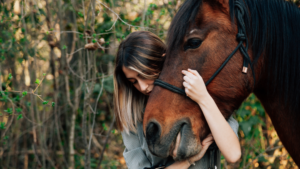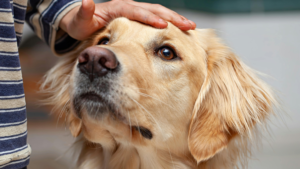

Confidence is often thought of as a human trait, but it plays an equally important role in the lives of our animals. Whether you share your home with a dog or cat, ride horses, or care for another companion animal, confidence influences how they experience the world around them. It affects how they respond to new situations, build relationships, recover from stressful experiences, and communicate their needs.
Many behaviors that people label as stubborn, fearful, or even aggressive may actually stem from an animal’s confidence level. Understanding where your animal falls on the confidence spectrum can help you respond with greater empathy and create an environment where they can truly thrive.
Confidence Is More Than Being Fearless
A confident animal isn’t one that never experiences fear. Instead, confidence is the ability to approach unfamiliar situations with curiosity, adapt to change, and recover after something unexpected happens. Confident animals generally feel secure in their environment and trust the people who care for them. They may pause to assess a new experience, but they can often move forward once they realize they are safe.
Confidence exists on a spectrum. Animals with low confidence may hesitate, avoid unfamiliar situations, or become overly dependent on their people. On the other end of the spectrum, an overly confident animal may ignore boundaries, rush into unfamiliar situations without caution, or challenge other animals unnecessarily. Healthy confidence lies somewhere in the middle, where curiosity is balanced with appropriate awareness.
How Confidence Shapes Behavior
Confidence influences far more than training success. It affects nearly every aspect of your animal’s daily life. A confident animal is often better able to:
- Adapt to changes in routine.
- Recover after a stressful event.
- Build positive relationships with people and other animals.
- Explore new environments.
- Learn new skills without becoming overwhelmed.
When confidence is lacking, behaviors often change. A normally social dog may become hesitant around strangers. A horse may refuse an obstacle they’ve previously mastered. A cat may begin hiding more frequently after changes in the household. These behaviors are often signs that the animal no longer feels completely safe, rather than indications that they’re being difficult.
Trust Is the Foundation of Confidence
Confidence and trust go hand in hand. Animals constantly look to trusted people for guidance about whether a situation is safe. When they consistently experience support, patience, and understanding, that trust grows into confidence.
The opposite is also true. If an animal experiences something frightening or confusing, confidence can quickly diminish. A negative interaction with another animal, an overwhelming environment, or even an unexpected, painful experience may cause them to approach similar situations with hesitation in the future.
Building trust doesn’t require perfection. It requires consistency. When animals know they can rely on you to support them through unfamiliar experiences, they begin developing the confidence to navigate those situations themselves.
Your Confidence Matters Too
Animals are incredibly perceptive. They pay attention not only to our actions but also to our emotions. If we’re anxious while introducing our dog to a new environment or tense during a riding lesson, our animals often pick up on those feelings. Likewise, approaching situations with calm confidence can help reassure them that there is nothing to fear. This emotional mirroring is one reason it’s so important to become aware of the energy we’re bringing into interactions with our animals. They frequently take their cues from us before making their own decisions.
Animal Communication Provides Deeper Insight
Sometimes the reason behind an animal’s confidence, or lack of it, is obvious. Other times, it’s much more subtle. Through animal communication, many animals are able to express not only how confident they feel but also what influences those emotions. They may identify a previous experience that caused them to lose confidence, explain why a particular environment feels overwhelming, or share what would help them feel safer moving forward.
These conversations often reveal that behavior is simply the outward expression of an underlying emotional experience. When we understand that experience, we’re better able to support the individual animal rather than simply managing the behavior.
If you’re noticing changes in your animal’s confidence during busy seasons, travel, or other routine disruptions, you may also enjoy our blog on Helping Pets Cope with Summer Overstimulation, which explores how environmental changes can affect emotional well-being.
Confidence Grows Through Feeling Safe
Every animal deserves to feel secure enough to explore, learn, and build meaningful relationships. Confidence isn’t about creating a fearless pet. It’s about helping your animal feel supported enough to navigate life’s challenges, knowing they don’t have to face them alone.
By paying attention to your animal’s emotional state, responding with patience, and remaining a calm source of support, you help build the trust from which confidence grows. And sometimes, simply taking the time to truly listen can reveal exactly what your animal has been trying to communicate all along.