Animal communication can do more than help me understand whether a pet is struggling with behavioral, emotional, or physical needs. It can also provide valuable insights that support a truly holistic approach to their well-being. When I share an animal’s insights in a way their family and veterinarian can understand, it creates a partnership where everyone (pet, caregiver, and professional) is working together for the same goal: the animal’s comfort and well-being.
For many families, this process becomes a bridge that gives animals a “voice” in their care and allows veterinarians to pinpoint issues sooner, treat them more effectively, and fine-tune therapies to support quality of life. The story of Colby, a senior dog adopted by Kate and Sam, beautifully illustrates how this process works.
A Lifetime of Care and Compassion
Kate and Sam are a retired couple who have always had canine companions as part of their family. Through the years, as each of their dogs reached the senior stage, they were diligent about providing not only comfort but also longevity through attentive care.
As every dog lover knows, those golden years can bring physical challenges like arthritis, vision impairment, and mobility issues, all of which require special attention. Kate and Sam have always maintained a strong relationship with their primary veterinarian, while also embracing supportive professionals such as a chiropractor, acupuncturist, and me as their animal communicator. They’ve found that this partnership works beautifully to support their companions on every level as they age.
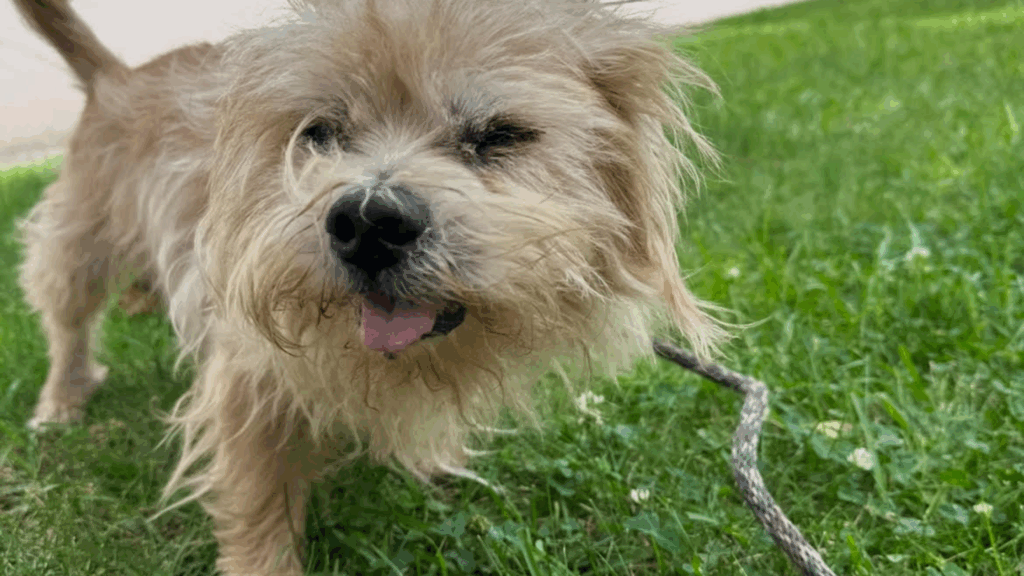
When their household was empty of pets for the first time in years, they made the intentional choice to adopt senior dogs, becoming experts at the kind of care these animals need most. That’s how Colby, a sweet little senior dog, found his way into their home. Relatively healthy despite his advanced years, Colby has gone on to enjoy some of his very best years thanks to Kate and Sam’s thoughtful, team-based approach.
Establishing a Baseline Through Communication
When Colby was first adopted, Kate and Sam contacted me to do a wellness check-in. This initial session gave us a baseline assessment of his overall well-being. I was able to share insights into his personality, his background, and his physical challenges so his family could track changes over time.
From my perspective, I could see right away that Colby had landed in the perfect home for his later years. His people were committed to listening to him and supporting him on every level—physical, emotional, and spiritual.
Over the years, they scheduled intermittent check-ins with me to monitor his well-being. When Colby reported pain, disorientation, or blurred vision, Kate and Sam knew it was time to bring him to their veterinarian for a closer look.
In one session with me, Colby reported low back discomfort, a headache, and diminished vision. I relayed this information to his family, who scheduled a veterinary exam. The vet confirmed two distinct issues: a spinal condition that required medication and a case of uveitis, which explained both the headaches and vision changes.
What struck me most was how clear Colby was in describing his sensations—he gave his people the exact clues they needed to advocate for him, and the veterinary exam validated everything he had shared.
Without Colby’s voice in the process, these issues might have gone undetected until they became much more severe.
Bridging the Gap with Symptom Tracking
Once his conditions were identified, Kate and Sam began using a daily symptom tracking journal. They closely observed changes in Colby’s energy, appetite, comfort during sleep and activity, and his response to medications.
Over time, this journal became invaluable. It allowed them to spot trends such as improvement in appetite and declines in mobility, and to share that information with their veterinarian. The journal provided a fuller picture of Colby’s well-being, making it possible to fine-tune therapies and adjust his care as needed.
From my perspective, the combination of Colby’s input during our sessions and the family’s careful daily notes created a 360-degree view of his health. It gave everyone (the family, the vet, and me) the information we needed to work together.
When New Conditions Arise
Later in his journey, Colby shared with me that he was experiencing great thirst, discomfort in his urinary tract, and nausea. I passed these sensations on to Kate and Sam, who brought him in for a thorough veterinary exam and bloodwork. The vet confirmed kidney disease.
Once again, their tracking journal proved essential. With both my notes and their careful records, the vet had a detailed timeline of Colby’s changes, which made it easier to design an effective treatment plan.
As treatment began, Colby continued to share how he felt. At one point, he described himself as feeling like “an inflated balloon.” His family immediately understood this as a reference to the extra fluids he was receiving twice daily at home. They discussed it with their veterinarian, who agreed and reduced the amount of supportive fluids.
Moments like this remind me why I do this work. Colby’s simple yet vivid words allowed us to adjust his care so he was more comfortable. His voice truly guided the process.
Why Translation Matters
Colby’s story demonstrates the importance of translating animal communication into language that veterinarians can use. Animals do not use words to speak. They share their experiences through sensations, emotions, and images. Their messages often come through metaphors such as:
- “My vision feels like a foggy window.”
- “My stomach is rolling like waves.”
- “I feel pressure in my back like a heavy stone.”
My role is not to diagnose but to interpret these impressions and translate them into descriptions that can guide veterinary professionals. This input can highlight areas of concern, reduce guesswork, and support more individualized treatment plans. It also helps confirm whether therapies are truly improving comfort and well-being.
A Holistic Team for Quality of Life
At 15 years old, Colby will never act like a puppy again. But thanks to the combined efforts of his veterinarian, complementary care providers, and our regular communication sessions, he continues to enjoy life. He still engages with his family, eats well, and spends his days with comfort and connection.
For me, the most powerful part of Colby’s story is knowing his own voice has been included in his care. That voice has helped guide decisions and reassured his family that they are meeting his needs at every stage of aging.
Animal communication is not a replacement for veterinary care. It is a complementary tool that brings the animal’s perspective into the conversation. By translating these insights into information veterinarians can act on, families like Kate and Sam become stronger advocates for their pets.
The result is earlier intervention, more targeted treatments, and most importantly, a better quality of life for the animals we love. When animals are given a seat at the table in their own healthcare, everyone benefits. Colby’s journey is a beautiful reminder of just how powerful this kind of collaboration can be!