
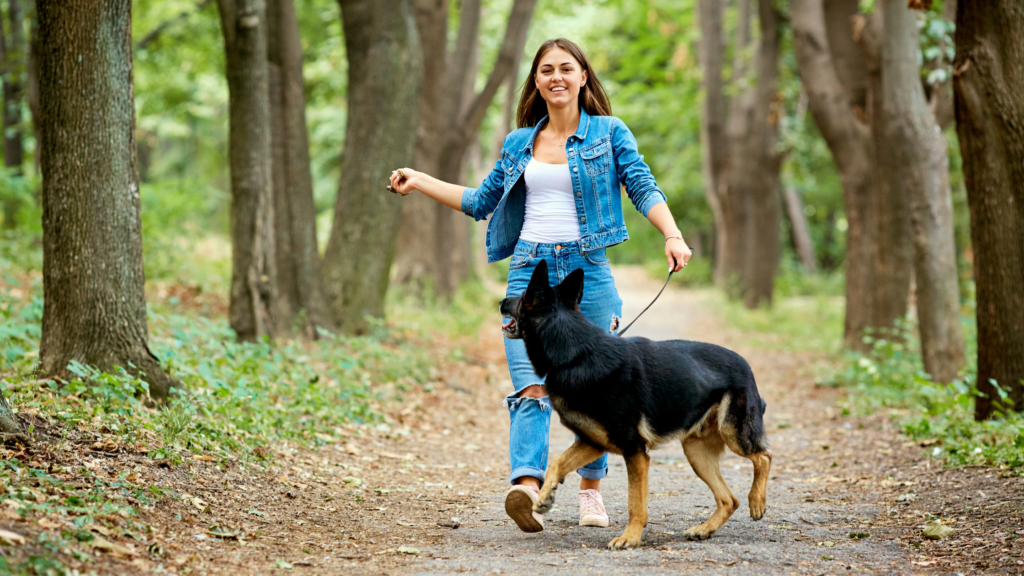
A walk with your dog is usually one of the best parts of the day. Fresh air, scenic routes, and that quiet time together can feel relaxing and joyful for both of you. But sometimes, a simple walk can change in seconds. An unexpected encounter with another dog can quickly become tense or even unsafe.
Knowing what to watch for and having a plan in mind can help you feel calmer and more prepared when something unexpected happens.
Dog-related injuries are more common than many people realize.
According to the Centers for Disease Control and Prevention (CDC), about 4.5 million people in the United States are bitten by dogs each year, and roughly one in five of those bites requires medical attention. Most of these incidents happen in everyday places like neighborhoods, parks, and walking paths.
While injuries to people are tracked more closely, veterinarians regularly treat dogs who have been injured by other canines during walks, in yards, and on trails. Many of these incidents never make the news, but they are a familiar reality in veterinary clinics.
The purpose of sharing this information isn’t to create fear. It’s to explain why awareness and preparation matter.
Every day walks can feel stressful for dogs.
Most tense encounters don’t come from dramatic situations. They happen during normal routines, such as:
- Passing another dog on a narrow sidewalk or trail
- Encountering an off-leash dog while your dog is leashed
- Being surprised by a dog coming from behind or around a corner
In situations like these, dogs may feel startled, unsure, or overstimulated. Having time and space to adjust can make a meaningful difference.
Warning signs are often present — but not always.
Many dogs show signs of discomfort before a situation escalates. Learning to notice body language can help guide your response. Common signs include:
- A stiff or frozen posture
- Hard staring or showing the whites of the eyes
- Raised hair along the back
- Growling, snarling, or lifting the lips
It’s also important to remember that not every dog gives clear warnings. Some move quickly to action, which is why early awareness and distance are so important.
Here are six practical ways to help protect your dog on walks and trails:
- Stay alert and look ahead.
Limiting distractions like phones or loud headphones helps you notice other dogs early and gives you more time to decide what to do.
- Trust your instincts and speak up.
If something doesn’t feel right, it’s okay to change course. Simple phrases like “We need a little space,” or “Please keep your dog back,” can help set clear boundaries.
- Avoid close greetings unless you’re confident it’s safe.
Face-to-face greetings can be stressful for many dogs, especially when leashes limit movement. Giving dogs space is generally the better option.
- Create distance as soon as you can.
Crossing the street, stepping off the trail, or changing direction may seem small, but distance is one of the most effective ways to prevent escalation.
- Have a calm response ready for sudden approaches.
If another dog moves toward you quickly, stay grounded. Keep the leash secure without pulling it tight, and avoid yelling or sudden movements that could increase tension.
- Consider carrying a legal protective tool.
A walking stick, hiking pole, air horn, personal alarm, or dog-specific deterrent spray may help interrupt an approach and give you time to respond. Always check local laws and understand proper use before carrying any tool.
People are often injured when they instinctively try to protect their dogs during stressful encounters. These moments happen fast, and emotions run high. Awareness and preparation can reduce risk for both you and your dog.
At the same time, walks are still meant to be enjoyable. With thoughtful choices and trust in your judgment, time outside can remain a source of connection, calm, and shared joy with your beloved companion.