
Categories
Uncategorized

Helping Your Animal Rebuild Confidence After It’s Been Lost

A single experience can change how an animal views the world. Maybe your dog was frightened by another dog at the park. Perhaps your horse lost confidence after refusing a jump. Maybe your cat was startled by a loud noise and now hides whenever visitors come over. While these situations may seem isolated, they can have a lasting impact on an animal’s emotional well-being.

When confidence is shaken, behavior often changes. An animal that was once curious may become hesitant. One that eagerly greeted new people may suddenly hang back. Others may become reactive, not because they’re aggressive, but because they’re trying to protect themselves from something they no longer trust. The encouraging news is that confidence can be rebuilt. Like rebuilding trust in any relationship, it takes patience, consistency, and a willingness to understand what your animal is experiencing.

Start by Understanding What Changed

When an animal loses confidence, it’s tempting to focus on the behavior itself. We want them to stop barking, hiding, refusing, or reacting. But lasting progress begins by asking a different question:

What happened before this behavior started?

Sometimes the answer is obvious. A frightening experience, an injury, a negative interaction with another animal, or a stressful veterinary visit may have changed how your animal perceives a particular situation. Other times, the cause is more subtle. A move to a new home, the addition of another pet, changes in routine, repeated exposure to overwhelming situations, or even sensing uncertainty or a lack of confidence from the people they trust can gradually chip away at an animal’s sense of security. Because animals are highly attuned to our emotions and body language, they often mirror the confidence or uncertainty we bring into a situation. Identifying the source of their hesitation allows you to address the underlying emotional cause rather than simply manage the symptoms. 

Set Your Animal Up for Success

One of the biggest mistakes people make is expecting confidence to return all at once. If your horse has lost confidence after knocking down a jump, asking them to immediately try the same obstacle again may reinforce their fear. Instead, go back to an exercise they’ve already mastered. Allow them to experience success at an easier level before gradually increasing the challenge.

The same principle applies to dogs and cats. If your dog became fearful after an unpleasant encounter on a walk, begin rebuilding confidence in a quieter environment before returning to busier areas. If your cat has become wary after conflict with another household pet, create opportunities for positive, low-stress interactions rather than forcing them together. Each successful experience becomes another reminder that the world can be a safe place.

Create an Environment That Builds Security

Confidence grows when animals feel supported. Simple changes to their environment can make a significant difference. Familiar bedding, favorite toys, predictable routines, and quiet spaces where they can retreat all help create a sense of stability. Introducing new people, places, or experiences gradually also gives animals the opportunity to process change without becoming overwhelmed. It’s equally important to pay attention to your own emotional state.

Animals are incredibly perceptive. If you’re anxious, frustrated, or anticipating that something will go wrong, your animal often senses those emotions. Approaching situations with calm confidence helps reassure them that they’re not facing uncertainty alone. As Marjorie often explains, our animals frequently mirror the confidence we project.

Listen to What Your Animal Is Trying to Tell You

Sometimes rebuilding confidence isn’t about asking your animal to do something differently. Sometimes it’s about changing how we support them. Through animal communication, animals can often explain what made them lose confidence in the first place. They may describe feeling unsafe around another animal, uncomfortable with the way they’re being handled, or overwhelmed by a specific environment. They can also communicate what would help them feel secure again.

For example, an animal might express that they need more personal space during meals, a slower introduction to unfamiliar situations, or even something as simple as being handled differently during medication. These insights often reveal that what appears to be resistance is actually an attempt to communicate an unmet need. Understanding the “why” behind the behavior allows us to rebuild confidence with compassion instead of correction.

Confidence Is Rebuilt One Step at a Time

There’s no shortcut to rebuilding confidence, but there is a reliable path forward. Notice how your animal responds. Assess what they may be feeling emotionally, not just what they’re doing physically. Then adjust your approach to create another opportunity for success. Over time, those small successes become something much bigger. They restore trust, strengthen your relationship, and remind your animal that they are safe.

If you’ve noticed your animal becoming more vocal or seeking reassurance after a stressful experience, you may also find our blog on Attention-Seeking or a Need for Safety? helpful. Many behaviors that appear attention-seeking are actually requests for comfort and connection. Every animal’s journey back to confidence is unique. By slowing down, listening carefully, and meeting them where they are, you can help them rediscover the sense of security they need to thrive.

Categories
Uncategorized

How Confidence Shapes Animal Behavior

Confidence is often thought of as a human trait, but it plays an equally important role in the lives of our animals. Whether you share your home with a dog or cat, ride horses, or care for another companion animal, confidence influences how they experience the world around them. It affects how they respond to new situations, build relationships, recover from stressful experiences, and communicate their needs.

Many behaviors that people label as stubborn, fearful, or even aggressive may actually stem from an animal’s confidence level. Understanding where your animal falls on the confidence spectrum can help you respond with greater empathy and create an environment where they can truly thrive.

Confidence Is More Than Being Fearless

A confident animal isn’t one that never experiences fear. Instead, confidence is the ability to approach unfamiliar situations with curiosity, adapt to change, and recover after something unexpected happens. Confident animals generally feel secure in their environment and trust the people who care for them. They may pause to assess a new experience, but they can often move forward once they realize they are safe.

Confidence exists on a spectrum. Animals with low confidence may hesitate, avoid unfamiliar situations, or become overly dependent on their people. On the other end of the spectrum, an overly confident animal may ignore boundaries, rush into unfamiliar situations without caution, or challenge other animals unnecessarily. Healthy confidence lies somewhere in the middle, where curiosity is balanced with appropriate awareness.

How Confidence Shapes Behavior

Confidence influences far more than training success. It affects nearly every aspect of your animal’s daily life. A confident animal is often better able to:

  • Adapt to changes in routine.
  • Recover after a stressful event.
  • Build positive relationships with people and other animals.
  • Explore new environments.
  • Learn new skills without becoming overwhelmed.

When confidence is lacking, behaviors often change. A normally social dog may become hesitant around strangers. A horse may refuse an obstacle they’ve previously mastered. A cat may begin hiding more frequently after changes in the household. These behaviors are often signs that the animal no longer feels completely safe, rather than indications that they’re being difficult.

Trust Is the Foundation of Confidence

Confidence and trust go hand in hand. Animals constantly look to trusted people for guidance about whether a situation is safe. When they consistently experience support, patience, and understanding, that trust grows into confidence.

The opposite is also true. If an animal experiences something frightening or confusing, confidence can quickly diminish. A negative interaction with another animal, an overwhelming environment, or even an unexpected, painful experience may cause them to approach similar situations with hesitation in the future.

Building trust doesn’t require perfection. It requires consistency. When animals know they can rely on you to support them through unfamiliar experiences, they begin developing the confidence to navigate those situations themselves.

Your Confidence Matters Too

Animals are incredibly perceptive. They pay attention not only to our actions but also to our emotions. If we’re anxious while introducing our dog to a new environment or tense during a riding lesson, our animals often pick up on those feelings. Likewise, approaching situations with calm confidence can help reassure them that there is nothing to fear. This emotional mirroring is one reason it’s so important to become aware of the energy we’re bringing into interactions with our animals. They frequently take their cues from us before making their own decisions.

Animal Communication Provides Deeper Insight

Sometimes the reason behind an animal’s confidence, or lack of it, is obvious. Other times, it’s much more subtle. Through animal communication, many animals are able to express not only how confident they feel but also what influences those emotions. They may identify a previous experience that caused them to lose confidence, explain why a particular environment feels overwhelming, or share what would help them feel safer moving forward.

These conversations often reveal that behavior is simply the outward expression of an underlying emotional experience. When we understand that experience, we’re better able to support the individual animal rather than simply managing the behavior.

If you’re noticing changes in your animal’s confidence during busy seasons, travel, or other routine disruptions, you may also enjoy our blog on Helping Pets Cope with Summer Overstimulation, which explores how environmental changes can affect emotional well-being.

Confidence Grows Through Feeling Safe

Every animal deserves to feel secure enough to explore, learn, and build meaningful relationships. Confidence isn’t about creating a fearless pet. It’s about helping your animal feel supported enough to navigate life’s challenges, knowing they don’t have to face them alone.

By paying attention to your animal’s emotional state, responding with patience, and remaining a calm source of support, you help build the trust from which confidence grows. And sometimes, simply taking the time to truly listen can reveal exactly what your animal has been trying to communicate all along.

Categories
Pet Loss

Finding Healing from Pet Loss Through Connection: Part 2

As I mentioned in Part 1, Marjorie’s animal communication helped me with Buddy’s anxiety and other things. I was really happy that I had her as another tool I could use to give Buddy the best life.  

About a year later, I was in my newish apartment, and Buddy started acting oddly. He wouldn’t use his hind legs and was really lethargic. This episode went on for about 10 minutes or so, and I called my veterinarian to get some help. I was living in DC at the time, about 1 hour and 20 minutes from my vet, so I was sending videos and pictures as I described what was happening, and he told me to go to an emergency vet and suggested one in DC. I let Marjorie know, and once again, she came to the rescue! As I sat in the waiting room, never having been in this situation before, Marjorie offered a great deal of comfort. She gave me some suggestions on what to ask them to ensure that everything was being considered and that we got the best care possible. She suggested asking for certain blood tests to ensure the proper follow-up. I felt like I had someone on my side who was not only consoling me but was helping me keep a level head. Marjorie also checked up on me after our visit and kept checking on Buddy. Everything ended up being okay, and the emergency vet chalked it up to him getting into something he shouldn’t have. That wasn’t the Buddy I knew, so I knew something else was going on.

Buddy’s Health Started to Decline

In September of 2023, Buddy had his one-year check-up. We went to see Dr. Ahalt, and after a quick exam, he said, “Casey, I think his heart is getting worse, and I think he has some fluid on it. We’re going to do some blood tests and exams to see what exactly is happening.” My eyes started to tear up as they took my sweet Buddy back for testing. They brought him back in not too long after, and I anxiously waited for the results. His heart was, in fact, getting worse. It was enlarged, and he had fluid in his lungs and around his heart. He also had some other things going on with his kidneys. Long story short, he had to go on 7 medications to help his heart beat better and to reduce the fluid. My heart was broken. I wondered, “How did things start declining so quickly?” We were advised to come back in 30 days to see how he was doing.

Buddy Had Another Episode

One day, Buddy and I were in the car, and he was in the back seat. Before, he would stay in the back seat but in recent months, he became more anxious and just wanted to be on my lap. So I attached his leash to the headrest so that he couldn’t get up front. We were driving along, and I looked back to notice that he wasn’t moving. I immediately pulled over, and he was having another lethargic episode where his body was pretty limp. I held him and reassured him he was going to be okay. I gave him some water and got him comfortable on my lap for the rest of the ride home. I called the vet and took him in. He ended up going on another medication to help with his blood pressure. So now, he was on 8 medications a day, and I was told that there was not much else we could do. He was on all the medications he could be on with the highest dosages for his size. 

It Was Time for More Animal Communication

Given Buddy’s recent medical exam, I connected with Marjorie again, and we chatted about Buddy’s new state. I really wanted to get some reassurance that he wasn’t suffering because his symptoms were getting worse. He was gagging a lot more when he drank water and just didn’t seem very comfortable. Marjorie reassured me that she didn’t sense that he was feeling any pressure or discomfort. This was a relief. The last thing I wanted was to be selfish and keep him here for my own benefit when it was his time to pass on.

Preparing For The Loss of Buddy

With the changes in Buddy’s health, I had to come to terms with the fact that his time was limited. His symptoms were much worse starting in February of 2024. It was almost like he was trying to cough the fluid out, but it wasn’t coming out. Seeing this on a regular basis broke my heart even more. It felt like there was really nothing more I could do. I did little things like give him his favorite treat, buy more of his favorite “Gumby” toys, and even let him sleep in the bed if he wanted to. This was my way of making sure he was most comfortable and enjoyed his last days. Thankfully, I work from home, so I was able to spend the majority of our waking hours together. Well, my waking hours because Buddy slept a lot! 

Despite giving him his best days in preparation for the day when he would pass, I never would have imagined that those days were so numbered. Like Marjorie said in her Pet Loss and Animal Communication: Part 2 blog, death does not read the calendar, and boy, was she right! One day, I scooped Buddy up and put him in the car, and we went on a ride. He wasn’t anxious; he just sat in the back seat and stared…until he didn’t. I was talking to him, telling him we were about to stop and usually I could hear his name tag jingling when I would talk to him. I heard nothing, so I looked back and he was gone. He had laid on the seat and passed. I couldn’t believe it. I needed more time. More time with him and more time to prepare. 

Marjorie brought up so many great points in her blog. She mentioned doing some inner reflection to determine how you’ll bring this chapter to a close in a way you can live with, knowing how you would handle the remains, and so on. I didn’t do any of this. It came way too fast. 

My Suggestion for Your Healing

While I was able to figure things out, I struggled with guilt for quite some time. I did until I had another consultation with Marjorie, during which we talked with Buddy after his passing. As I wasn’t ready, I learned that Buddy wasn’t ready either. His heart stopping caught him by surprise as well, and his spirit was still hanging out in my apartment, making sure that I was okay. My call with Marjorie gave me the closure I needed with him. She comforted me by reassuring me that he was where he wanted to be when he passed, and that was with me. He wasn’t in chronic pain, and I didn’t have to make the decision to put him down. This really was the best case scenario for me and for Buddy. So, my suggestion is to take the time to think through what will happen when your beloved pet passes and be sure to utilize Marjorie before, during, and after the process. You will not regret it!
Categories
Pet Loss

Finding Healing from Pet Loss Through Connection: Part 1

In April, I had the pleasure of reading Marjorie’s blogs about pet loss. I knew I would be facing it at some point, so I was curious to see her perspective. Little did I know that within a month, I would be experiencing the loss of a pet, which is what inspired me to write this guest blog. Here’s my story, and I hope it helps you find healing if you’re experiencing this, too.  

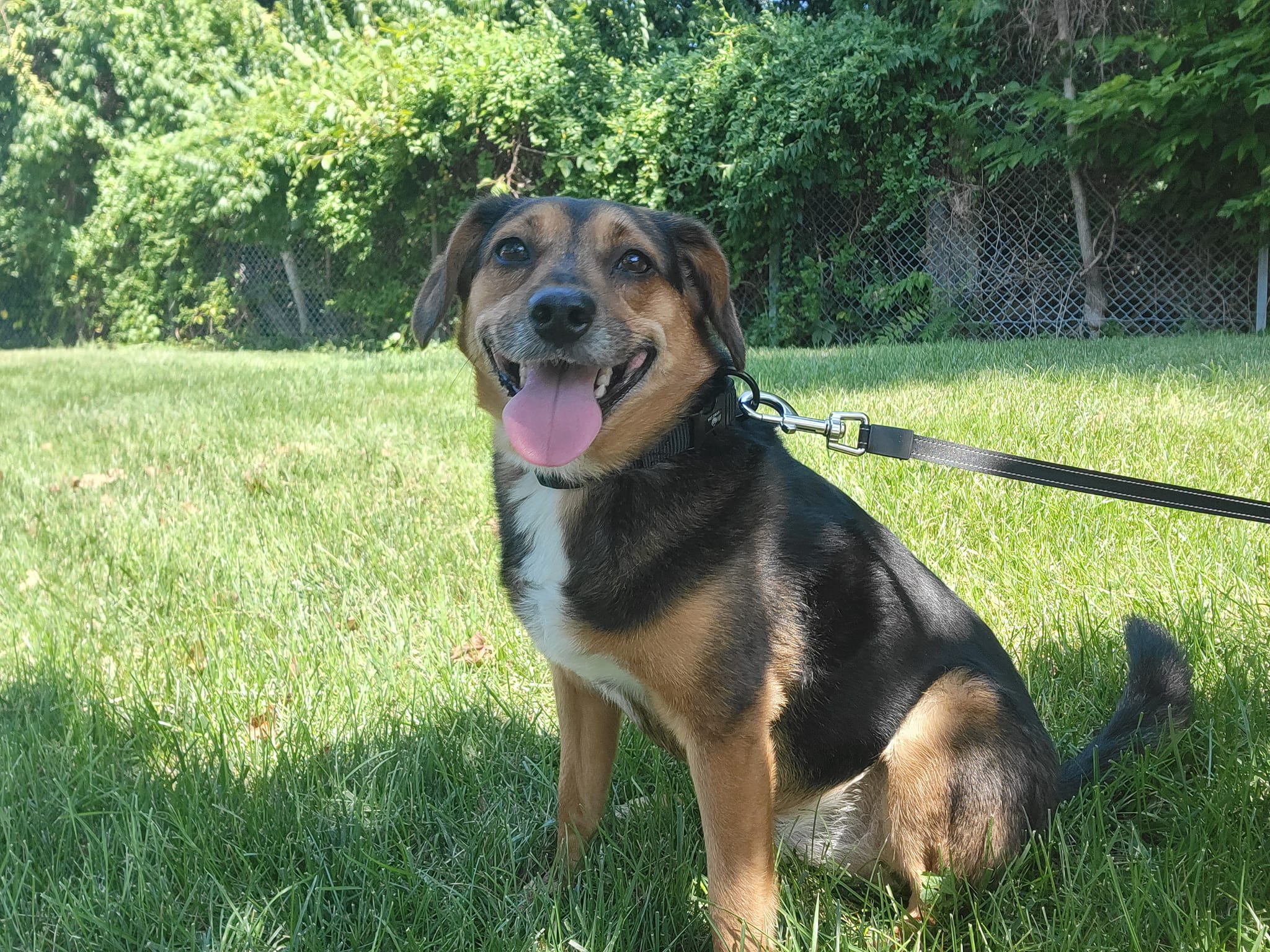
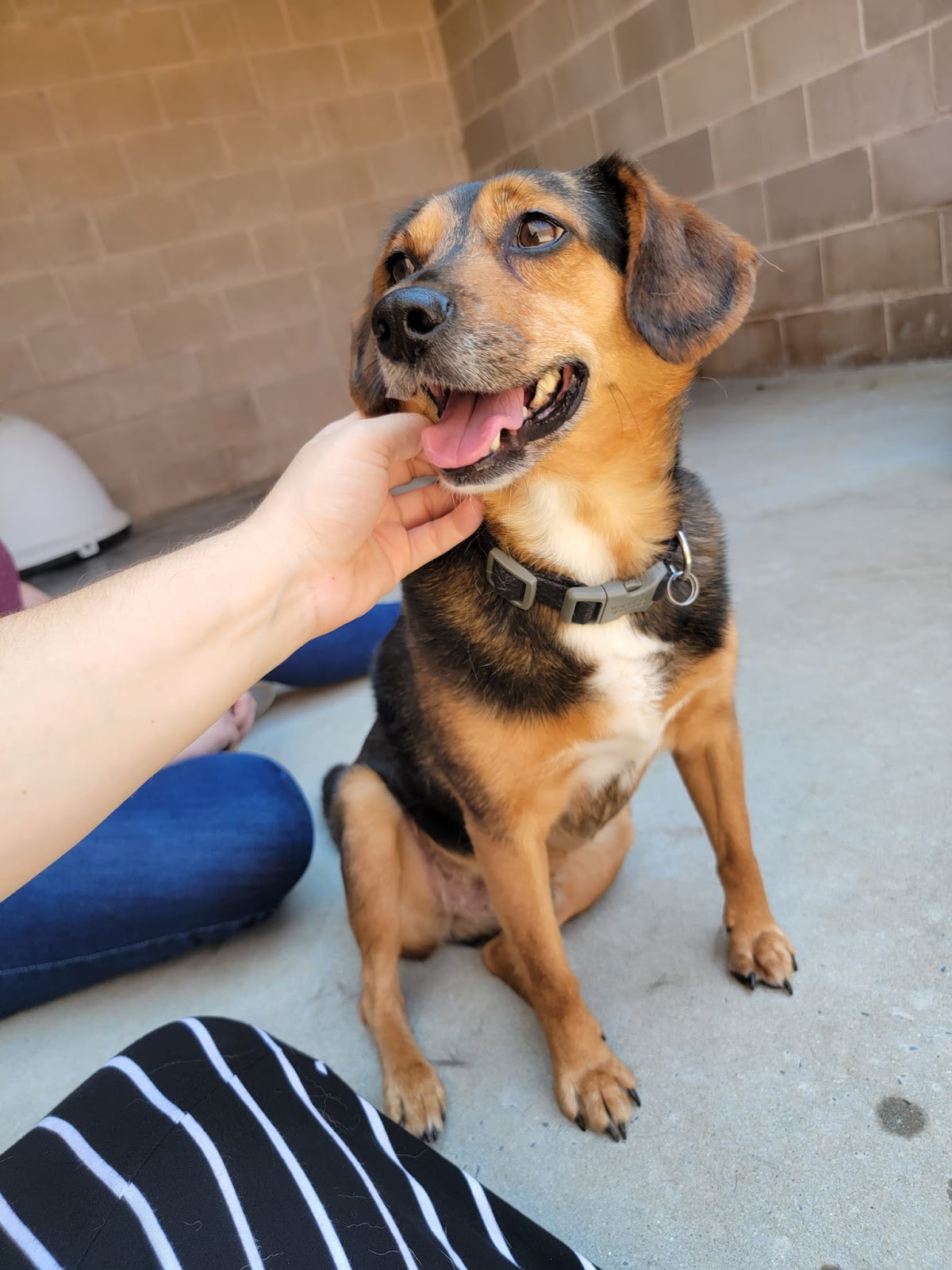
In August of 2022, I decided it was time for me to adopt a dog. Long story short, I had been working on some self-healing for about 3 years and for once I was alone and felt that I could love something now that I learned to love myself. Looking back, those who are close to me would say, “who rescued who?”While I’ve heard many people say this before, they weren’t kidding. “Buddy”, an adorable beagle mix, was on his second time at the Frederick County Animal Control Shelter, and I just couldn’t understand why anyone would give him up, especially when he had a heart murmur. Knowing that he was viewed as a “misfit” hurt my heart even more. Him being there didn’t make any sense to me at all – other than it was so that I could love on him. 

[Our first time meeting]

Buddy’s First Months In His Furever Home

When I adopted Buddy, I was a bit nervous. I hadn’t had a dog since being a kid and I was in my mid-30s at the time. While nervous, I couldn’t have been more sure that he was for me when I had him. He was sweet as can be, quiet as ever, house-trained, didn’t need a crate, could care less about other people and really just wanted to be around me. He was the perfect dog for me with where I was in life. Buddy was laid back. He had a playful side and was smart as ever but I never wanted to overexert him because I knew he had a murmur and with the little medical knowledge I have, I knew getting him all worked up could be harmful to him. So Buddy and I became best friends and just palled around and took it easy. My friends grew to love him and learned quickly what I meant when I’d say, “I’m really not biased, he is the best dog ever!”. We would go to cookouts and all kinds of things together. He was my road dog!

Understanding Buddy’s Health

When I first adopted Buddy, I got thim established with Dr. Ahalt at Jefferson Veterinary Care. He was a long-time friend of my stepdad, and I knew he would take good care of Buddy and be honest with me about anything going on. During our first visit, he made sure that I knew he had a murmur and informed me that it was at a 3 out of 5 but not a “strong” 3. He said we should keep an eye on him and stay aware of any changes in behaviors or symptoms. He told me to watch out for things like heavy breathing, gagging when drinking, and being lethargic. Other than that, I could bring him back for a year check-up.

Buddy and I Tried This Animal Communication Thing

I felt good about Buddy’s physical health at the time but not his mental health. My apartment had a fireplace and when I would light the fire, Buddy would literally climb on top of my head and shake like a leaf. He was scared to death. He also wouldn’t walk on a certain area of the grass when I would take him outside. I had gotten familiar with Marjorie’s services and decided to give her a try to see if I could figure out what was going on with him. My first consultation with her was the best 20 minutes! She was compassionate, kind, and very intuitive. I didn’t really know what to expect since, before her, I didn’t even know that animal communication was a thing. She explained to me that with the fire, Buddy had possibly witnessed a large fire with a lot of chaos, so it gave him bad anxiety. With the area he wouldn’t walk in, she sensed that something was covering the ground that he didn’t like the smell of. Well, pine needles had covered that area, and it was so pungent that it turned Buddy off. It was fascinating to hear these things! I simply stopped taking him to that area, and as far as the fire went, Marjorie gave me some tips.

To help acclimate Buddy to fire, Marjorie suggested that I put a fireplace screensaver on my TV since it was mounted above the fireplace. As I got him used to the site and noise, she recommended that I put some ash near his food and water bowl since he associated those two things with pleasure/happiness. Once he got used to that, she suggested I start a small fire with half of a log and then build it from there. I gradually did all of these things, and it worked! Buddy was no longer scared of the fire. 

Another tip that she gave me to help with his anxiety when I left him was to look at him and then envision me leaving and coming back happily, greeting him. I used to do this, and it worked like a charm. She told me that dogs have no concept of time, so no matter how long I was gone, this trick would work and give him reassurance that I was coming back. 

Using Marjorie to communicate with Buddy really enhanced my care for him. Little did I know, I would need her more than ever in the upcoming months. Stay tuned for Part 2.